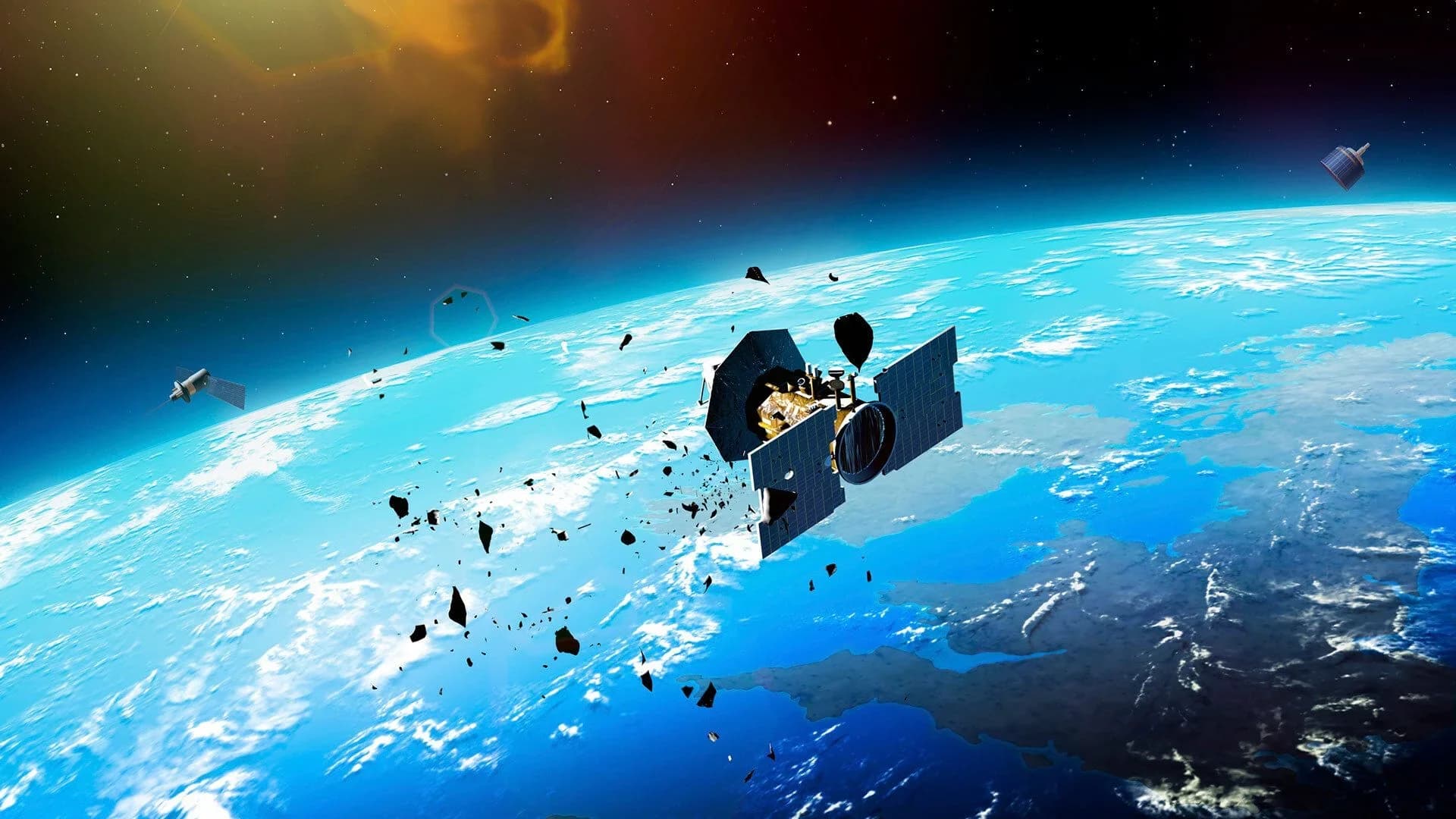
Russia may launch nuclear-armed satellite by year's end, Western intelligence says
Officials warn the Sputnik-S satellite could knock out every spacecraft in low Earth orbit. Moscow has dismissed the claims as propaganda.
#Tag
Officials warn the Sputnik-S satellite could knock out every spacecraft in low Earth orbit. Moscow has dismissed the claims as propaganda.
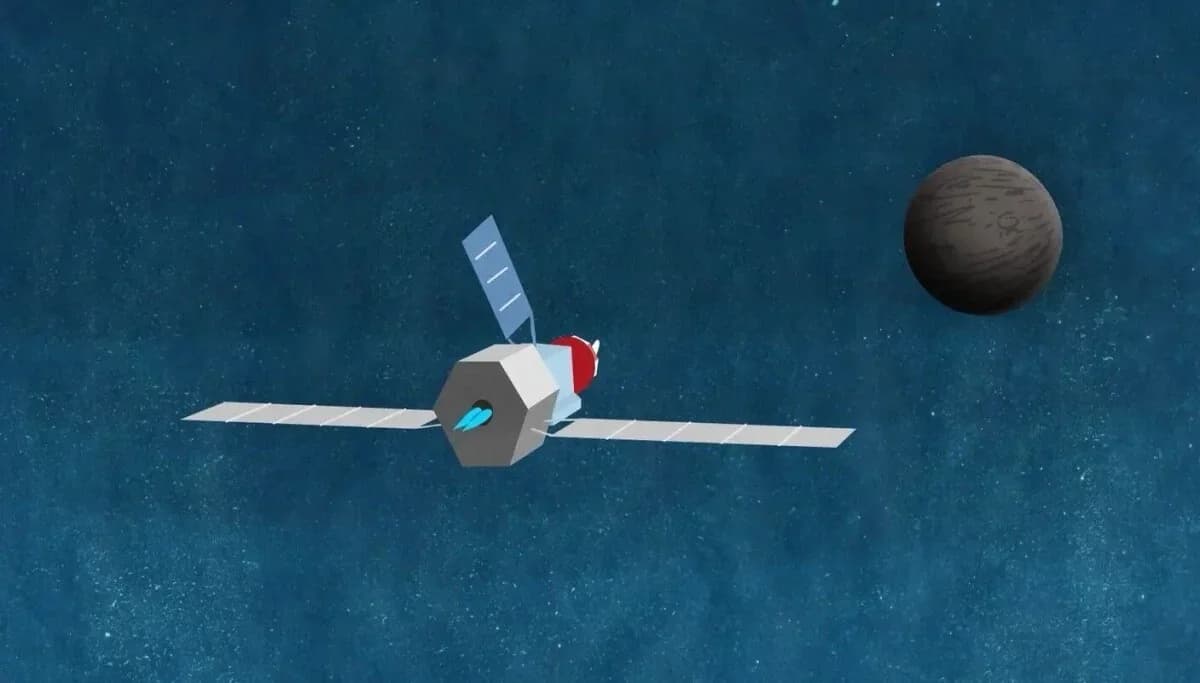
The joint European-Japanese probe reached the planet, but its engine ran for less time than planned. ESA says the spacecraft is safe.
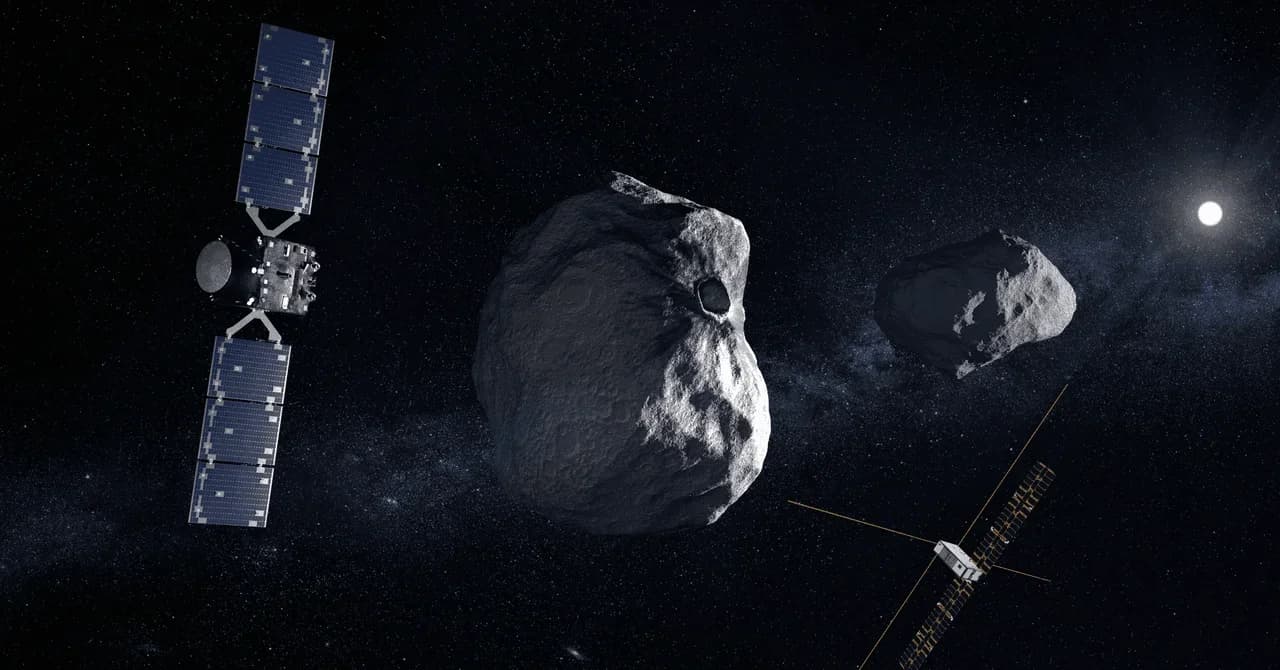
The European spacecraft will study the aftermath of the 2022 impact up close and later deploy two small CubeSats to the asteroid pair.
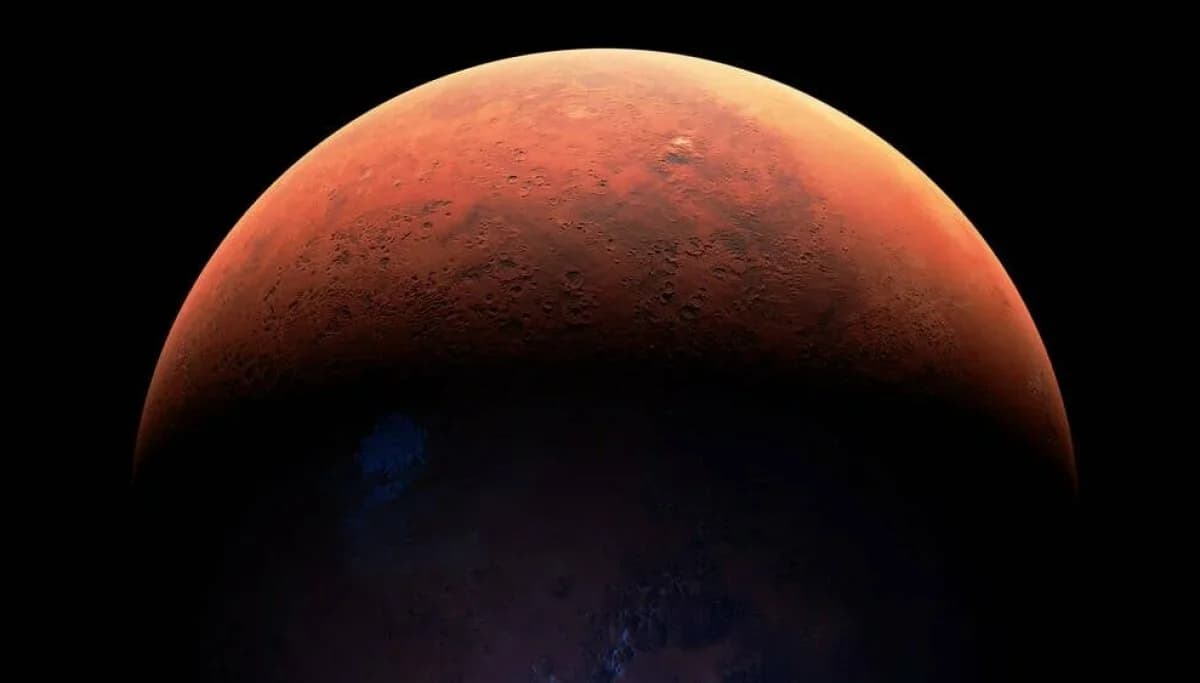
A communications fault has paused the rover's science work, while a stalled wheel puts the 25-year-old orbiter's future in doubt.
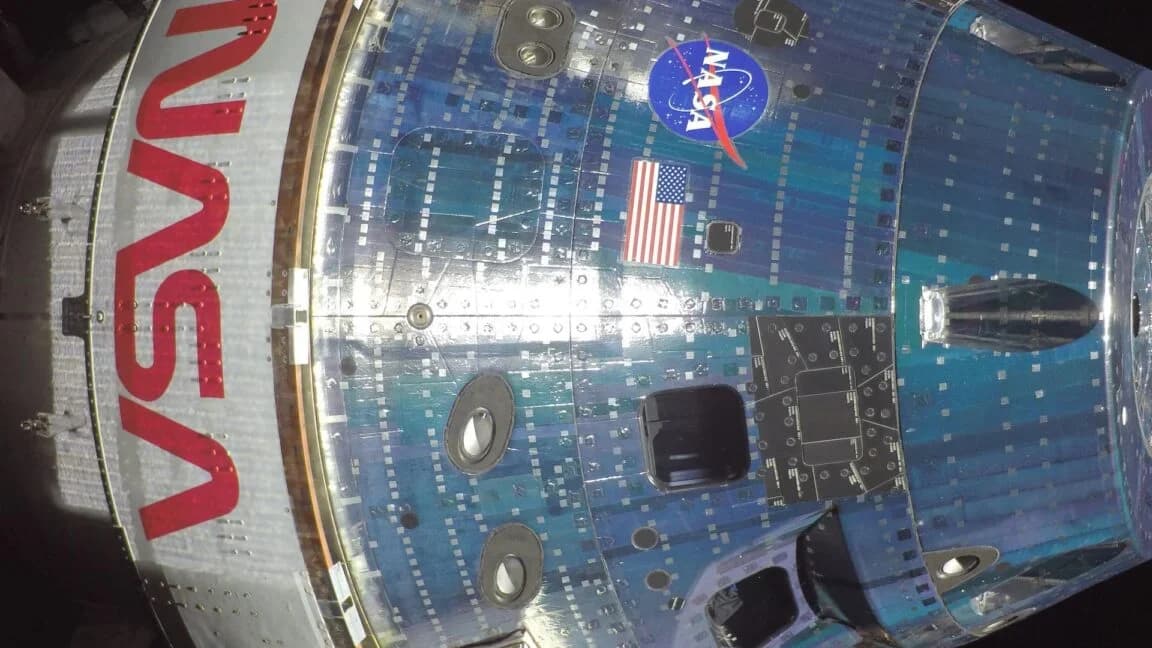
A Lockheed Martin executive said the revised mission adds hazards for a spacecraft built for lunar flights, while engineers have no schedule margin left.
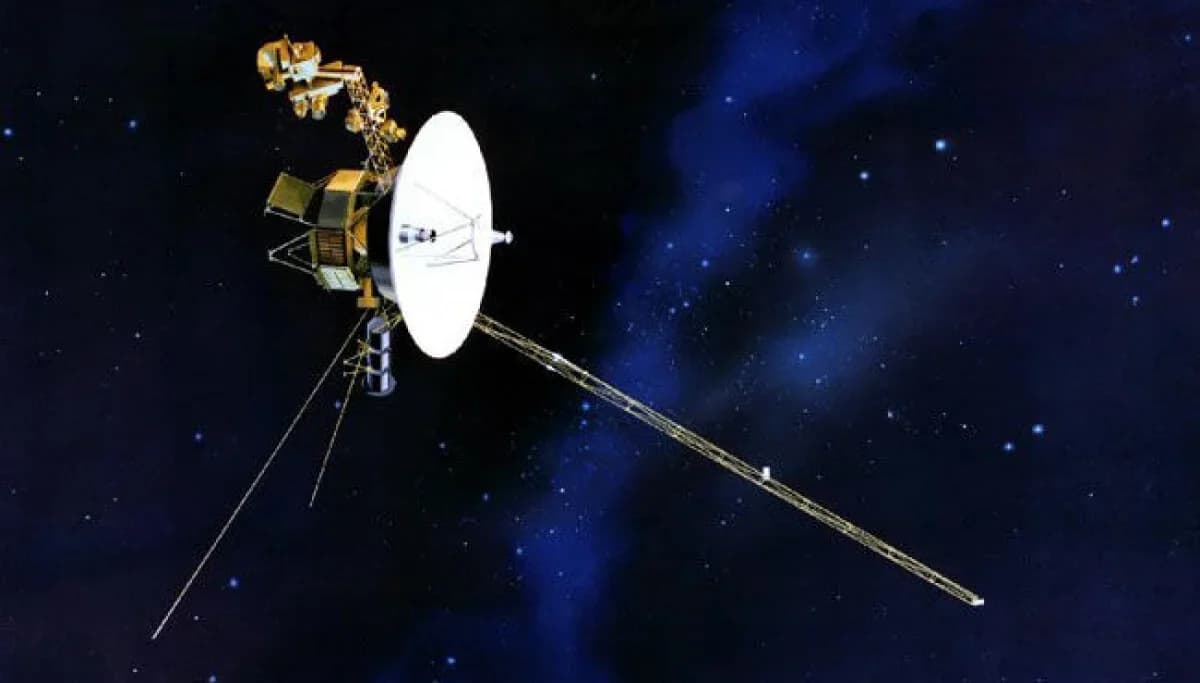
A radio signal now takes 24 hours to reach the spacecraft, which was launched almost half a century ago and still communicates with Earth.
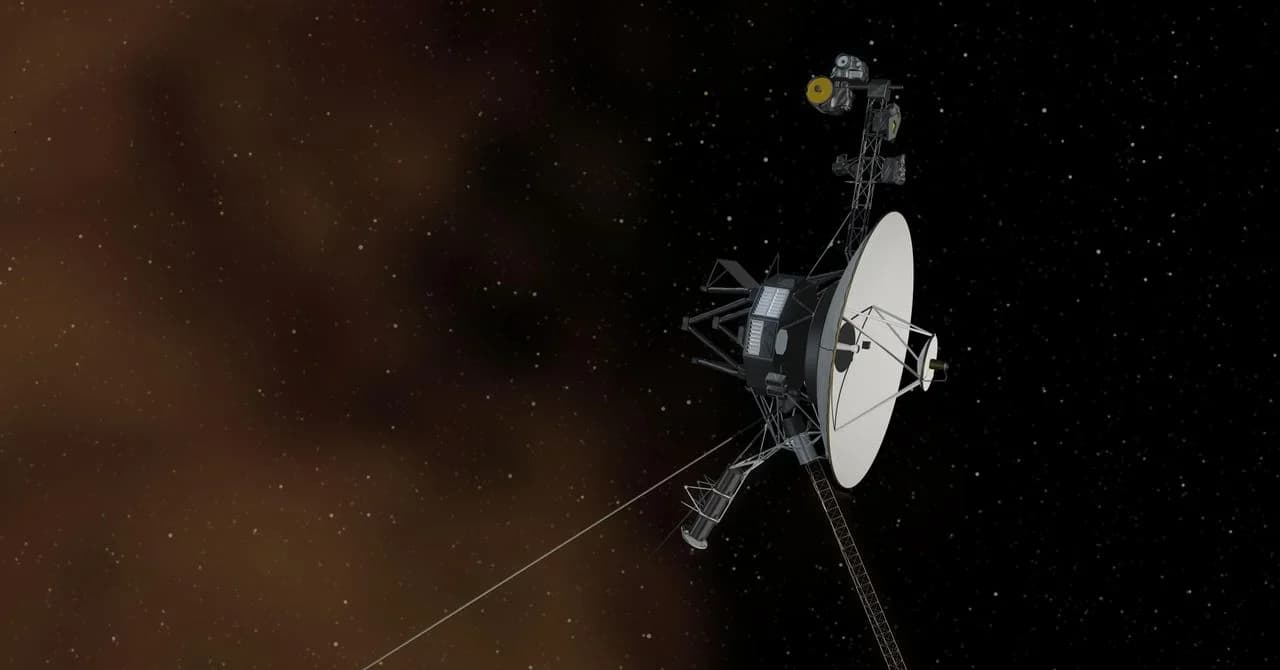
Launched in 1977, the NASA probe is still sending data from interstellar space, though its power supply is steadily running down.
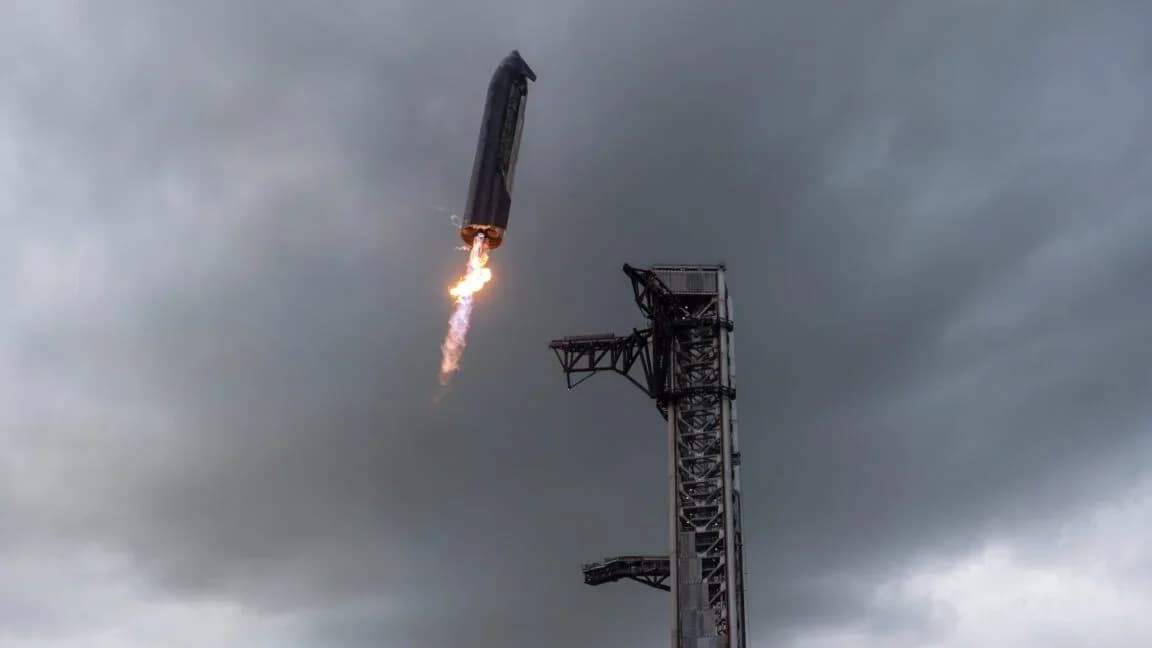
SpaceX's crewed flight timelines deserve caution, as a lunar landing once planned for 2024 has slipped to 2028 and may slip further.
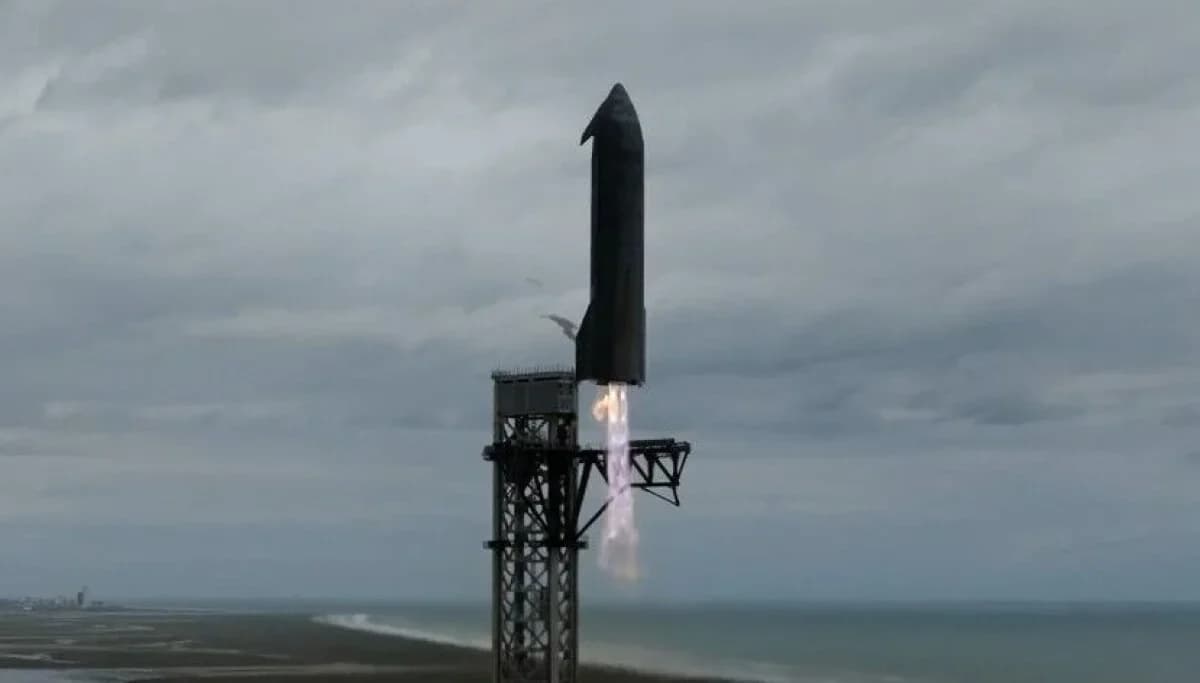
The ship returned after roughly a day in orbit, but the Super Heavy booster's return was aborted and it ended its flight in an explosion.
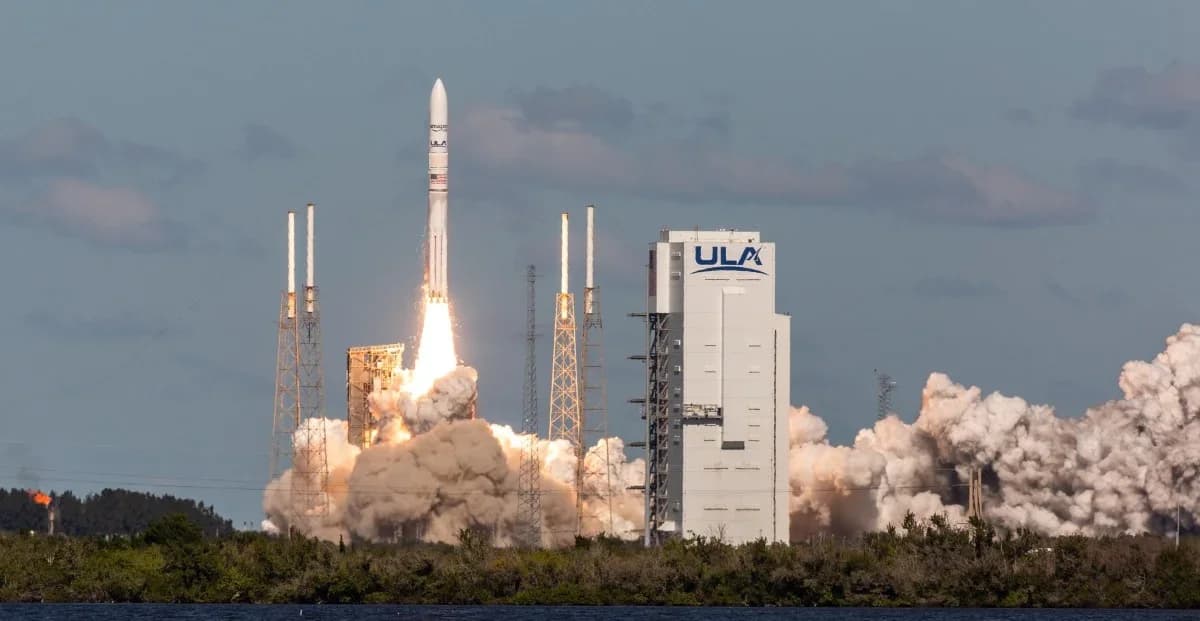
The failed launch is the first in United Launch Alliance's 20-year history, and the company says the cause is not yet known.
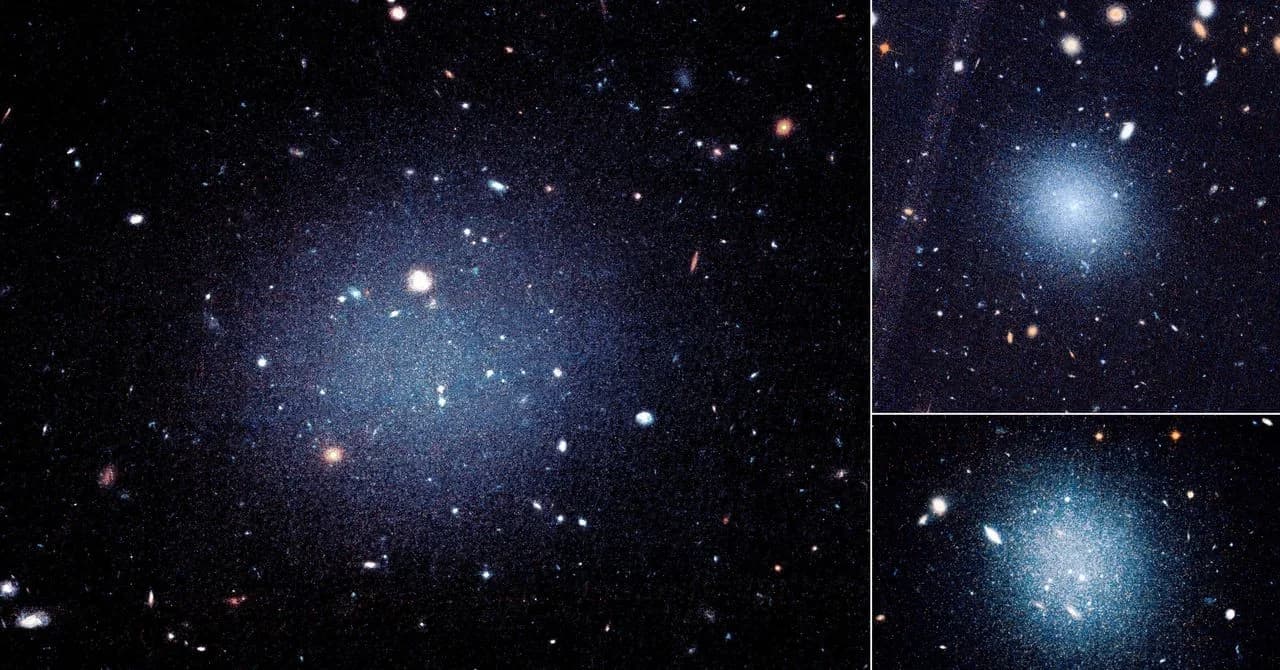
A new study proposes that two ordinary galaxies collided, leaving behind dim objects some 65 million light-years away with almost no dark matter.
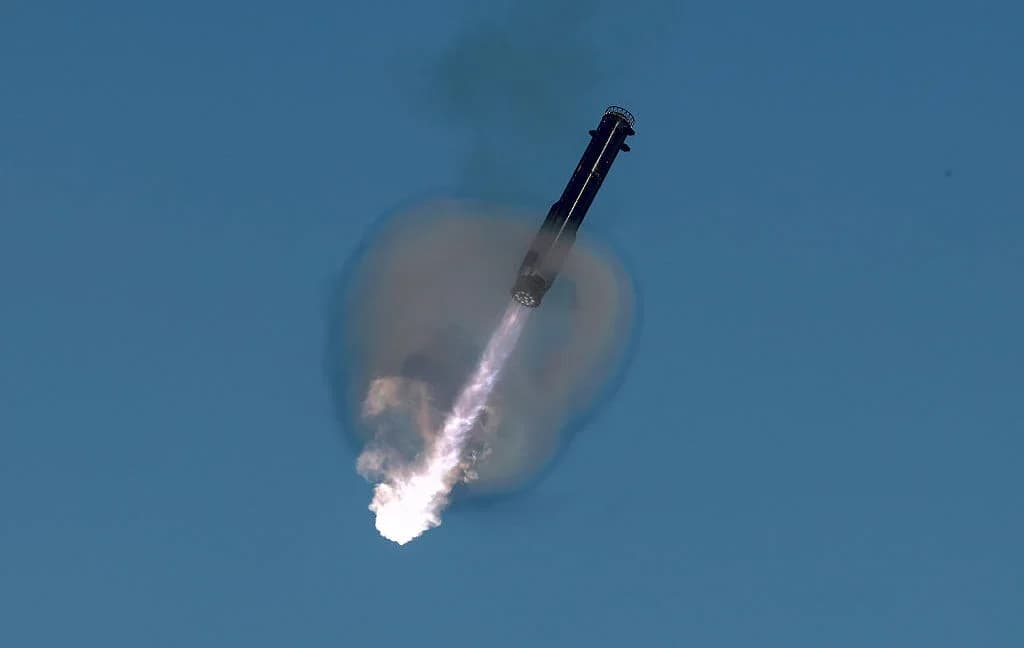
The upper stage completed its main mission, but the booster was diverted to the Gulf of Mexico instead of returning to the launch tower.
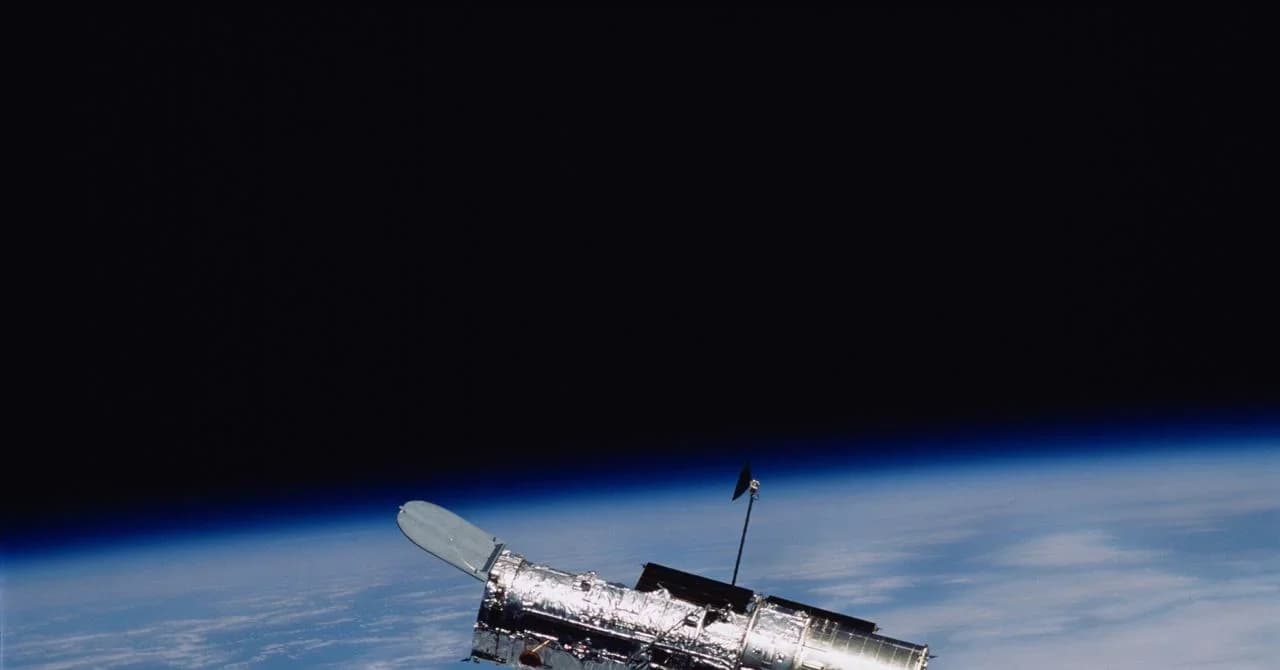
The slowly descending telescope could reenter the atmosphere in 2033 or 2034, and the agency is looking for ways to prevent that.
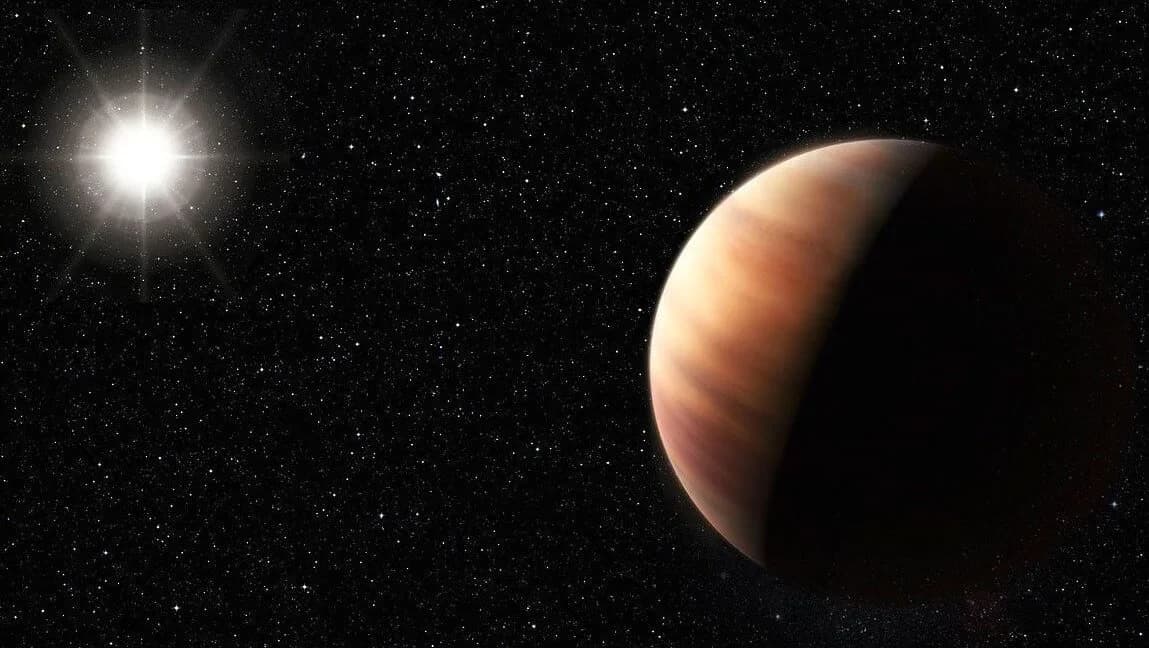
Researchers say the planet's orbit is tilting unusually fast, possibly pulled by a second, unseen planet in the system.
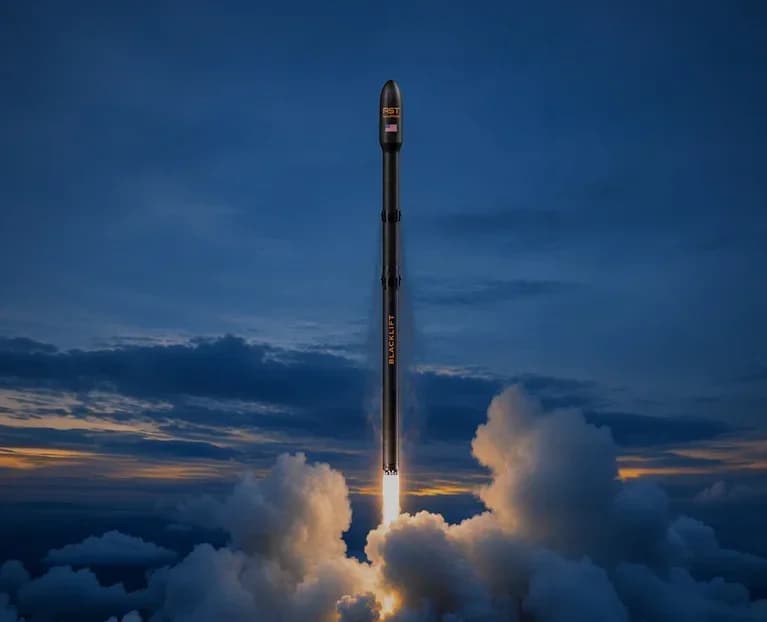
The satellite company calls the three-stage launcher "simple," but its engines are still in testing and the timeline looks ambitious.
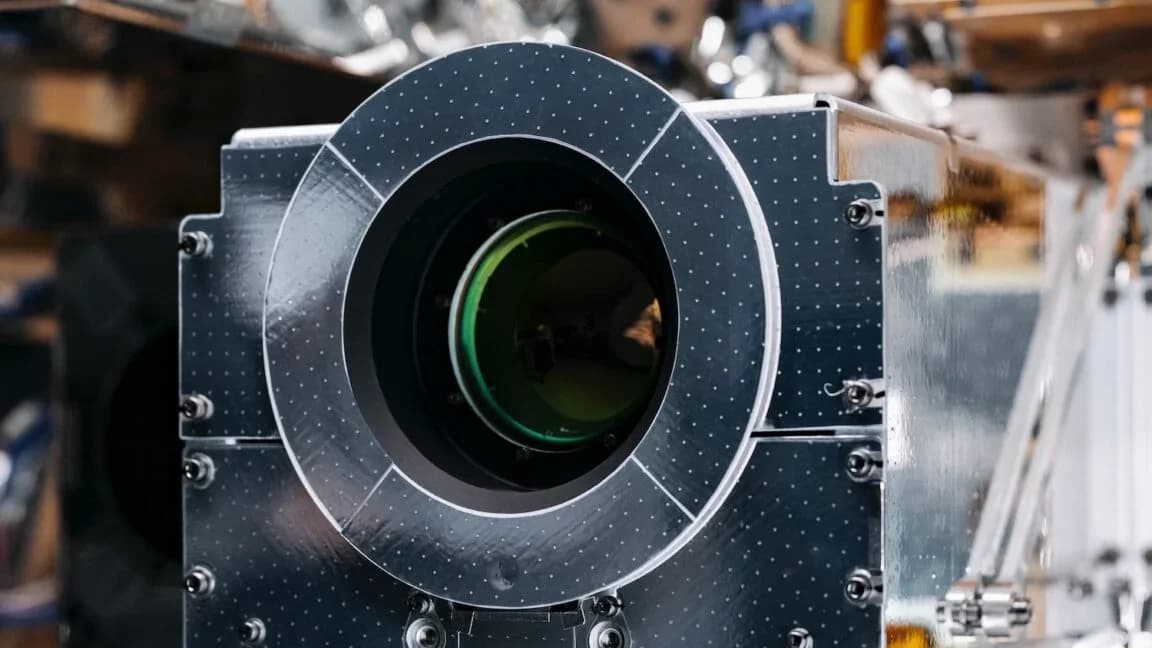
The long-wave infrared device detects spacecraft heat signatures, letting operators watch objects during periods when they were once nearly blind.
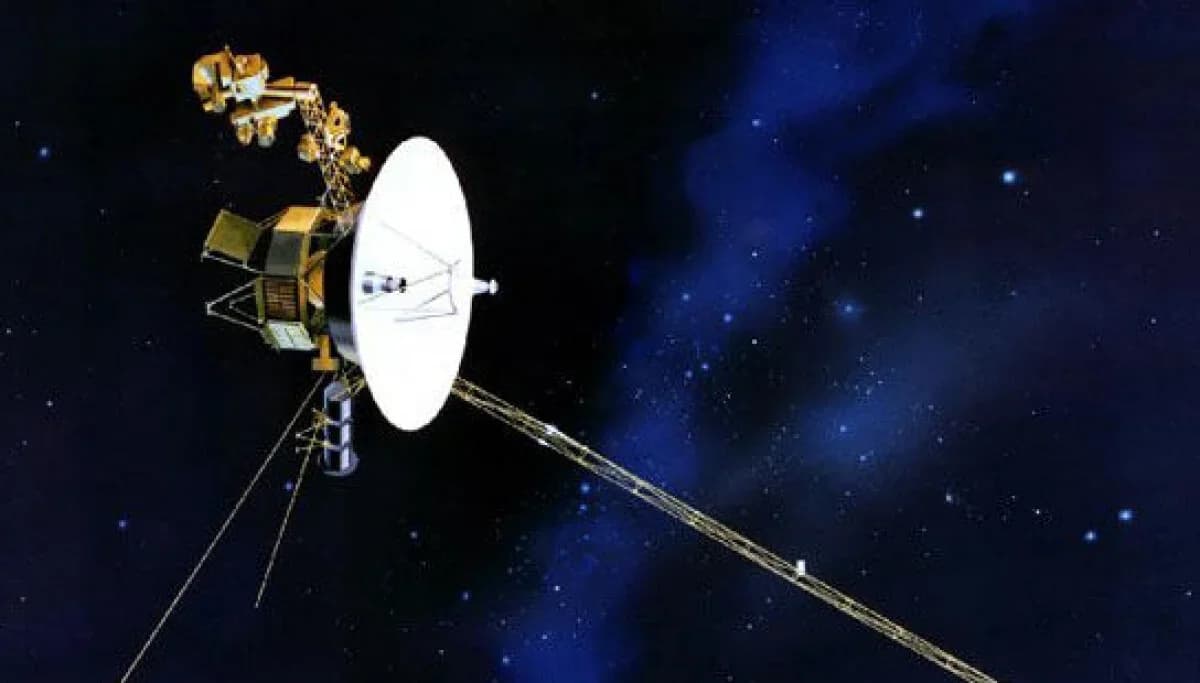
NASA is inviting people to flash the mission's code, VGR, in Morse code with flashlights on November 17 to mark the milestone.
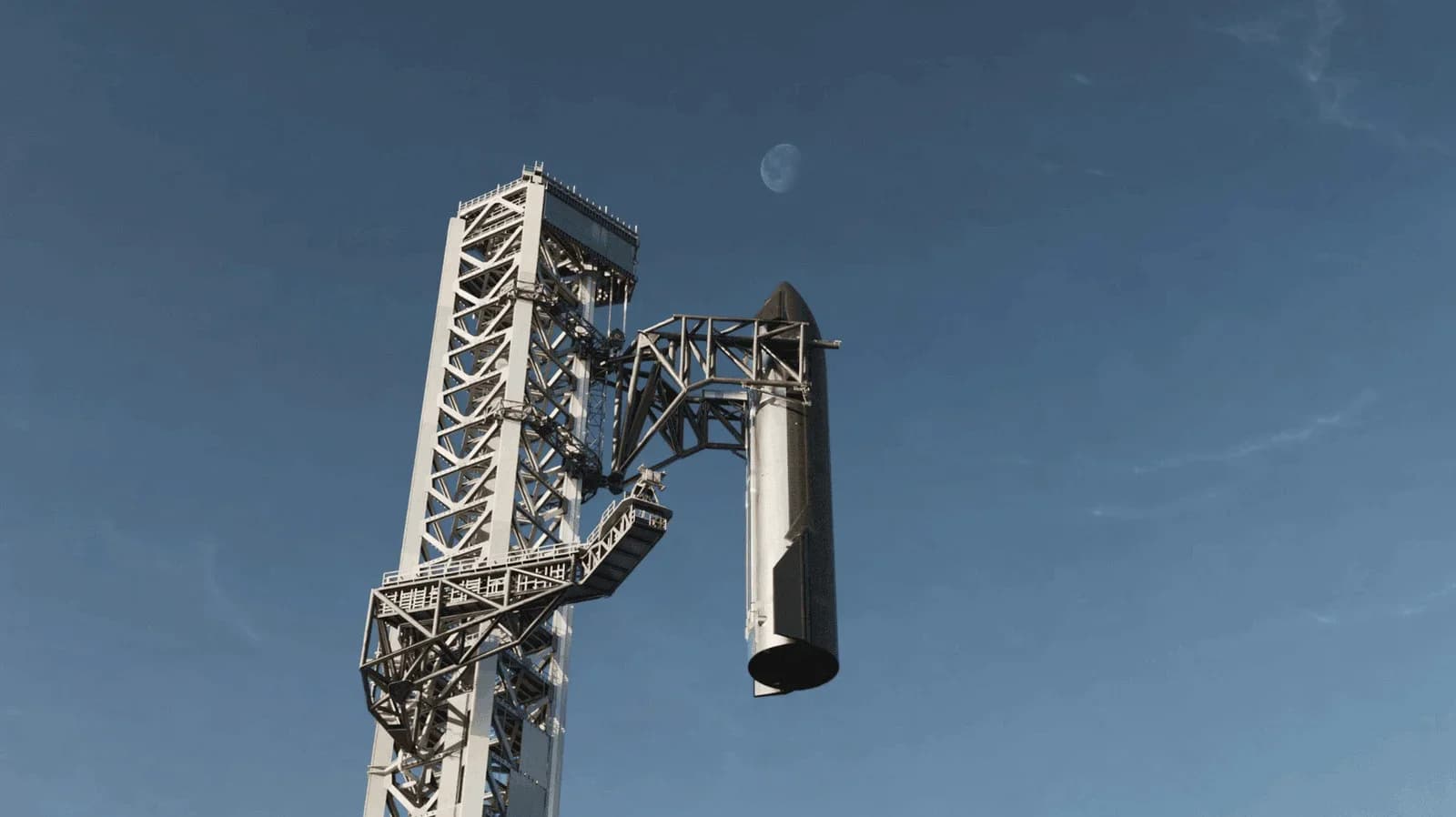
Flight 15 still needs regulatory approval, and the upper stage is expected to spend more than 22 hours in orbit before any catch attempt.
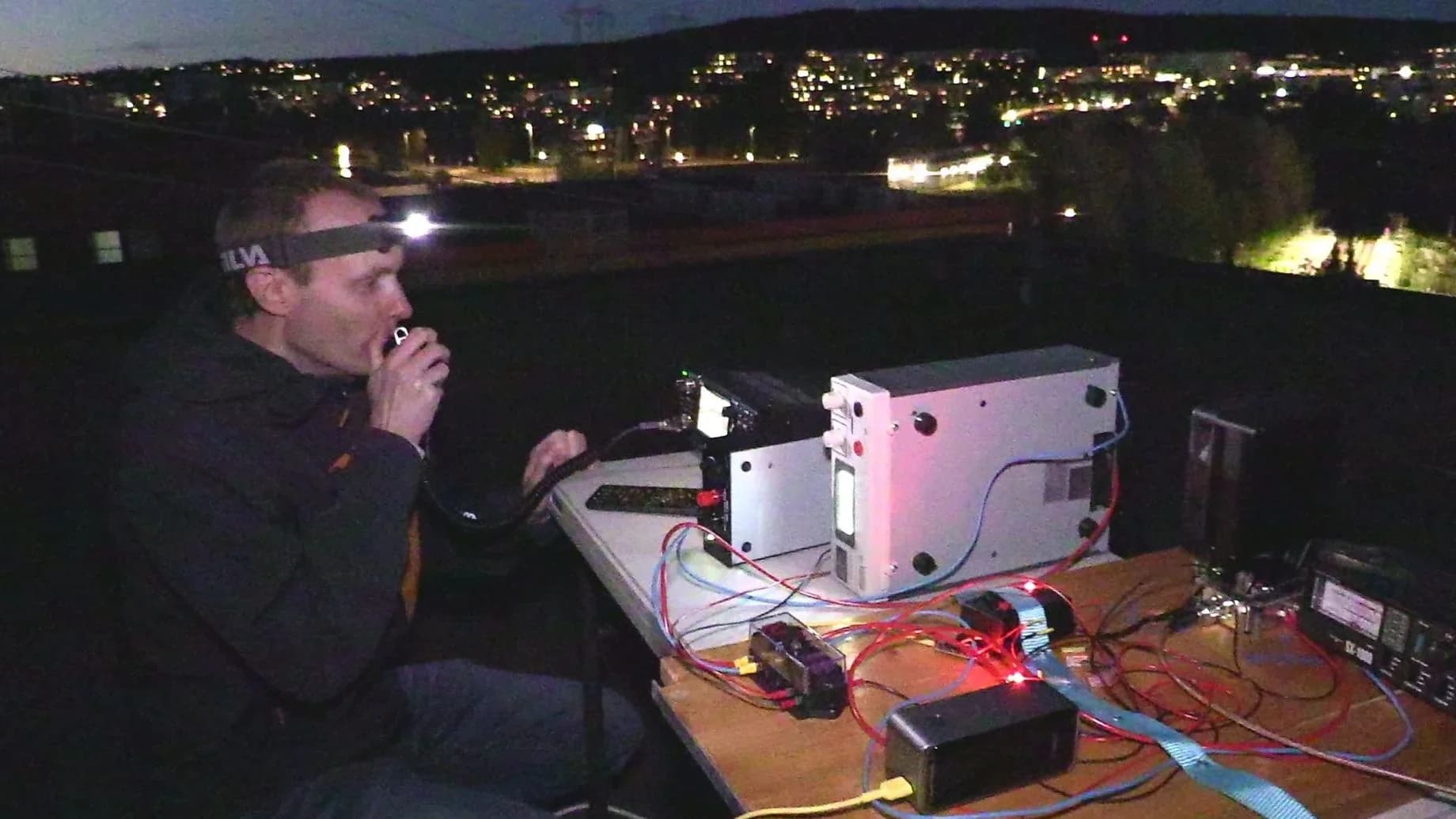
Amateur radio operators in Oslo and Poland sent a spoken command on the 23 cm band to start the 1993 game aboard the spacecraft.
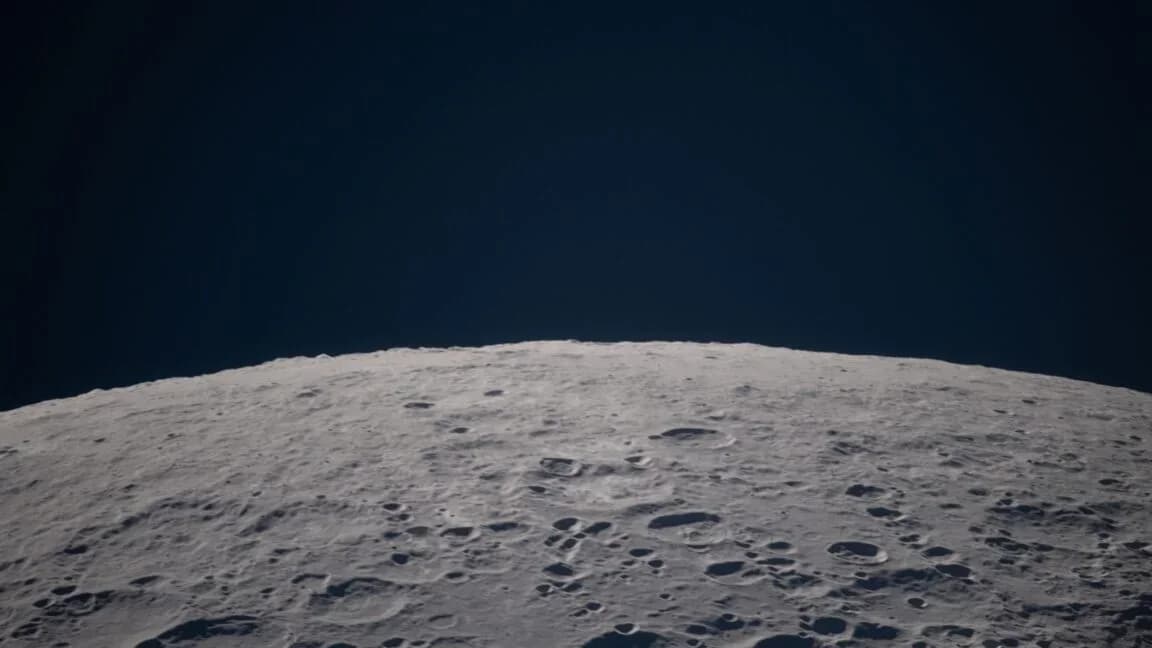
The Department of the Air Force has asked companies for proposals to send up to five spacecraft into lunar space by the end of 2029.