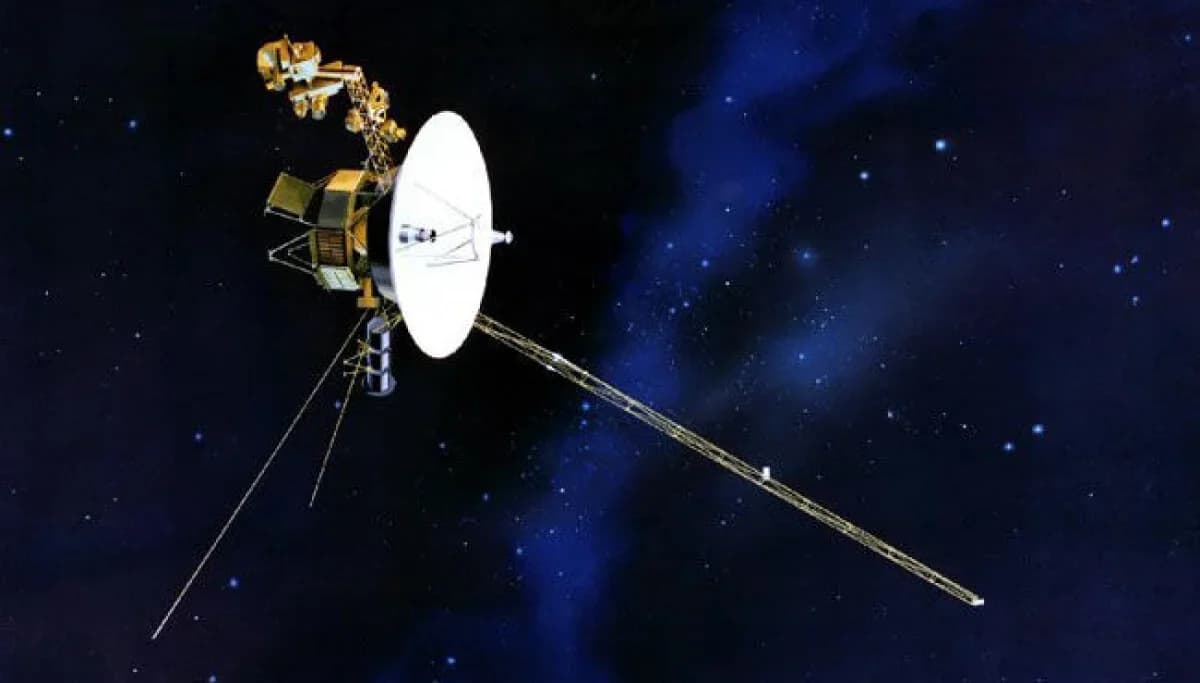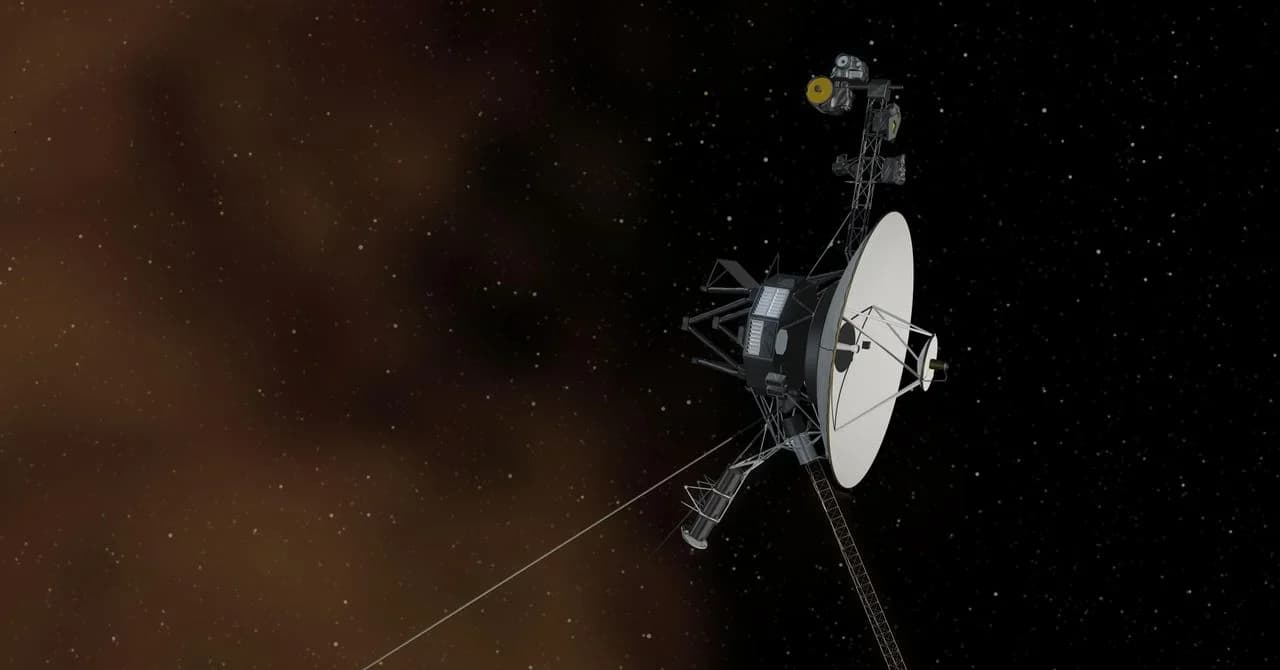
NASA's Voyager 1, launched in September 1977, has become the first human-made object to travel one light-day from Earth, Wired reports. At that distance, a signal sent from the spacecraft takes a full day to reach Earth.
Voyager 1 and its twin, Voyager 2, were originally designed to study the outer planets by taking advantage of a rare planetary alignment. Voyager 1 has since left the solar system and now studies the interstellar medium between star systems. Because the solar system is also moving through space, mission manager Kareem Badaruddin said the probe is sending back information about a region we will pass through in roughly three years.
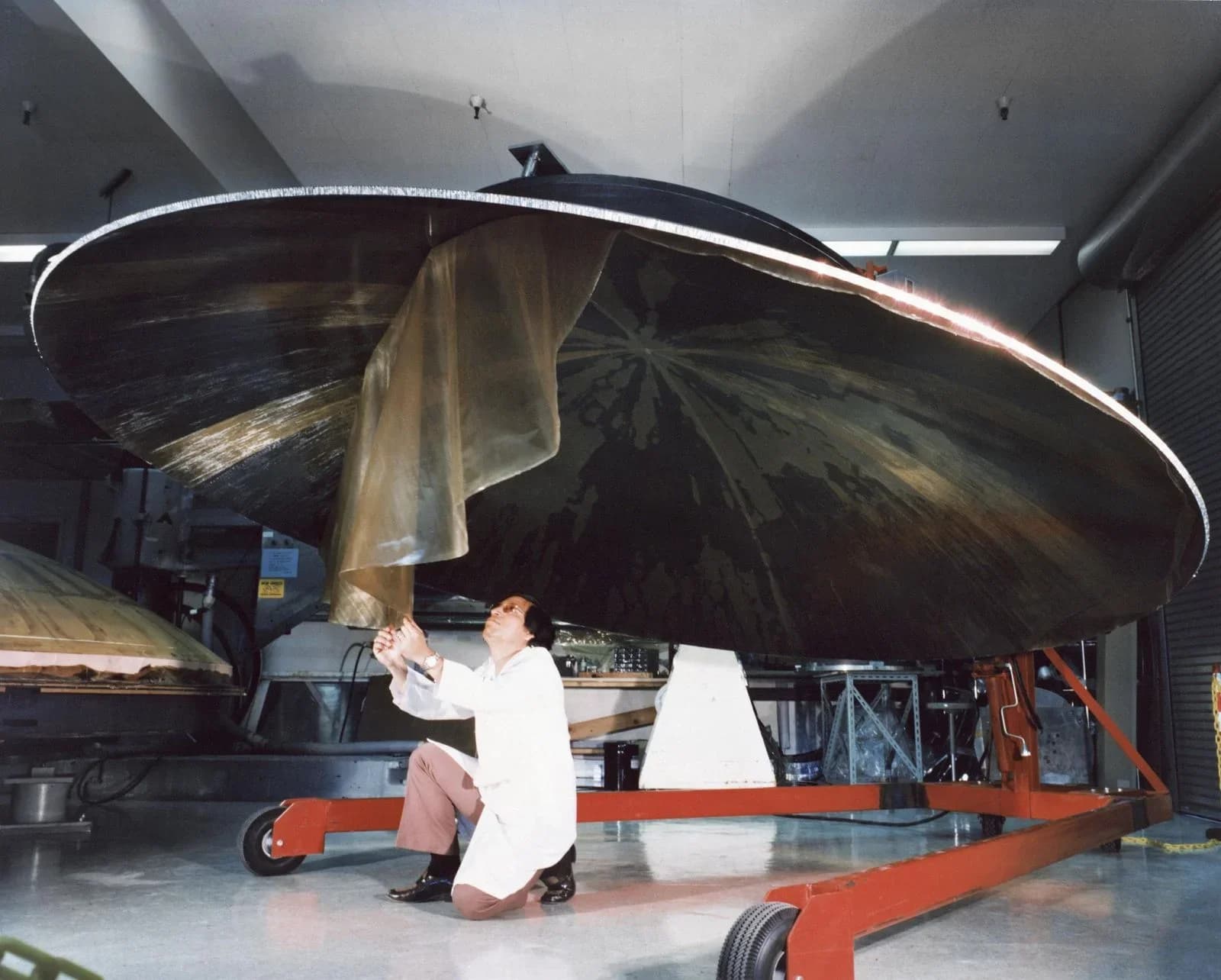
The vast distance makes operations difficult. With a one-day delay in each direction, preparing new commands takes the team about a week. The spacecraft's nuclear generators are also producing less power, and in September the team swapped some systems for lower-power alternatives, saving 10 watts.
Badaruddin estimated that the mission could end within the next three to five years as the plutonium-238 powering the probe decays. Even after its signal goes silent, Voyager 1 will continue drifting through the galaxy.
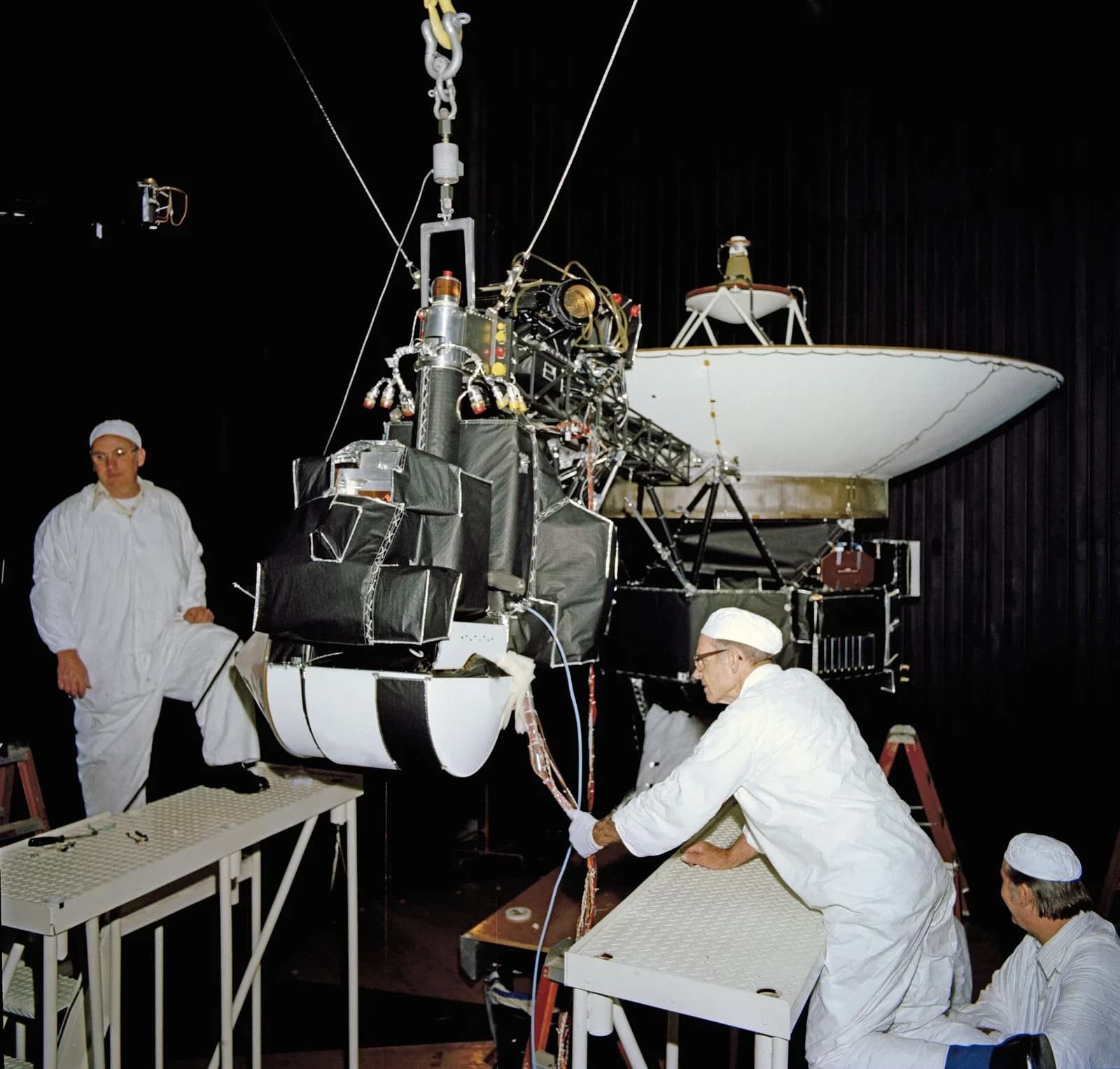
The spacecraft will mark its 50th anniversary next September. Built in the mid-1970s, it still stores data on an eight-track tape.
Source: Wired
Next story