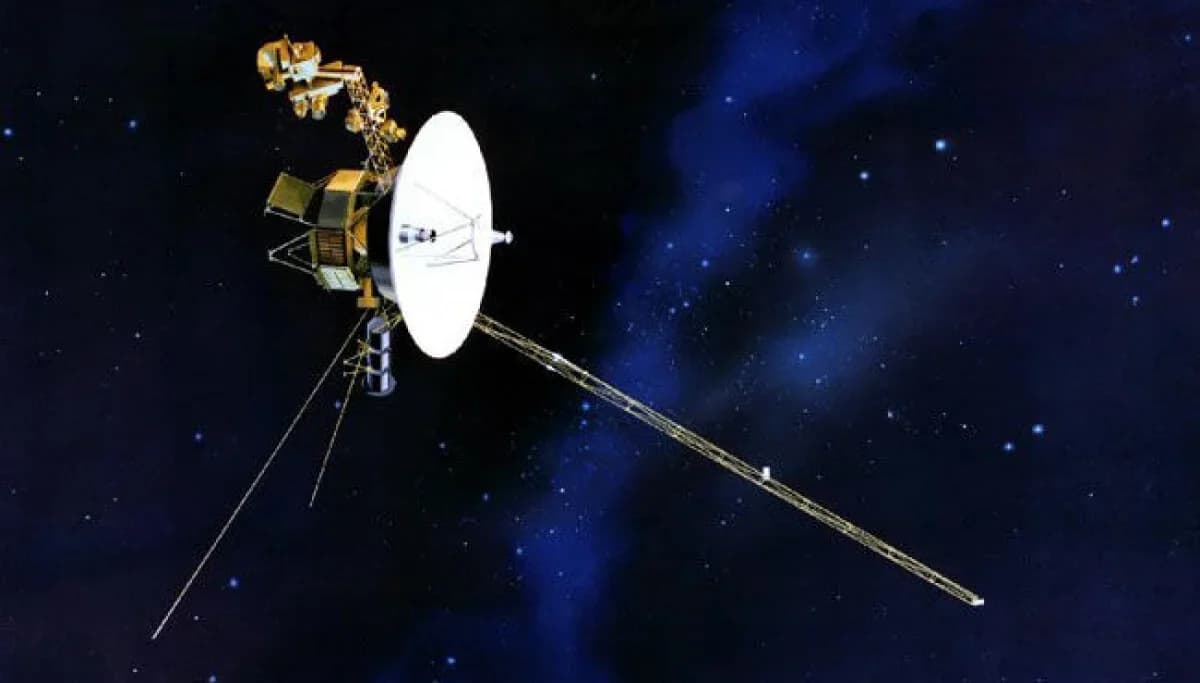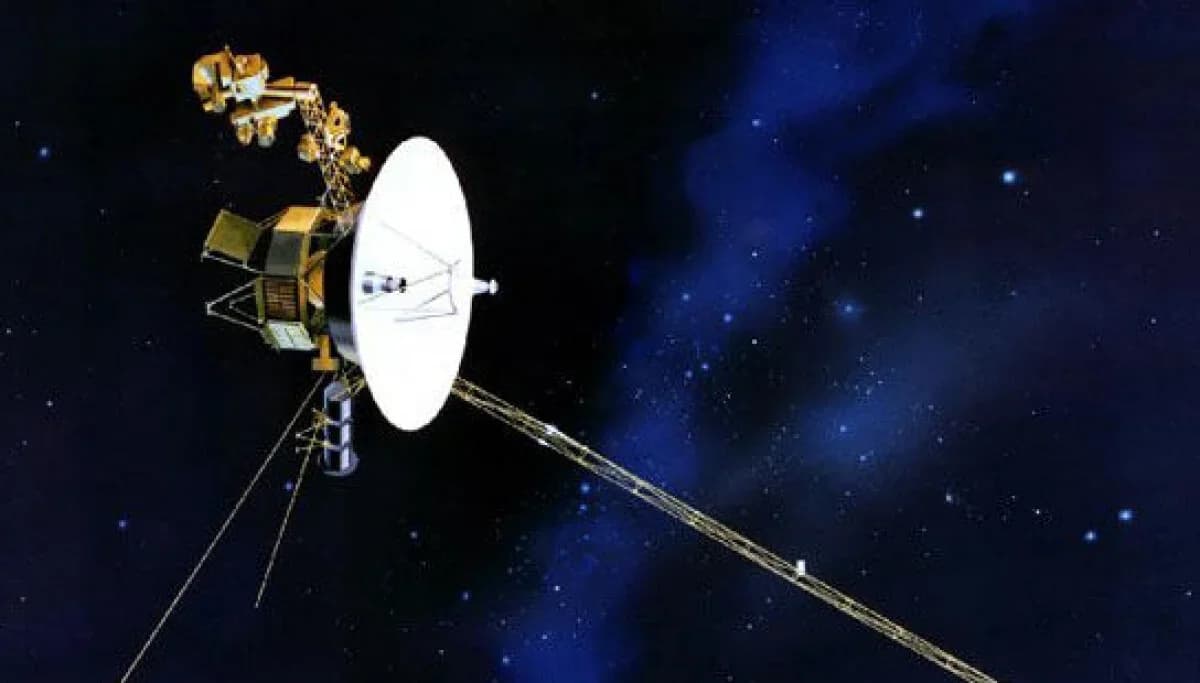
NASA's Voyager 1 spacecraft is about to become the first human-made object to reach a distance of one light-day from Earth, The Register reports. According to the agency's calculations, the spacecraft will cross that threshold on Wednesday, November 18, at 10:16:07 UTC.
A light-day is roughly 25,902,068,356 kilometers. Voyager 1 is currently traveling at about 61,000 kilometers per hour. The milestone follows a brief communications problem the spacecraft experienced last month.
To celebrate, NASA has proposed a campaign called Shine Bright for Voyager's Light-Day. Participants are invited to go outside after sunset on November 17 and send the mission's three-letter code, VGR, into the sky in Morse code, either with a flashlight or through the agency's website. NASA described the effort as a "symbolic golden wave of light" spreading around the planet.
Voyager 1 will not be able to see any of the signals, however. Its cameras were switched off decades ago, after the probe captured the famous Pale Blue Dot photograph.
Voyager 1 is already the most distant human-made object from Earth and will mark 50 years since its launch next year. Its twin, Voyager 2, took a different path that carried it past Uranus and Neptune, and will not reach the same distance for another nine years. Because its power supply is dwindling, it is unclear whether contact with Voyager 2 can be maintained until then.
Source: The Register
Next story