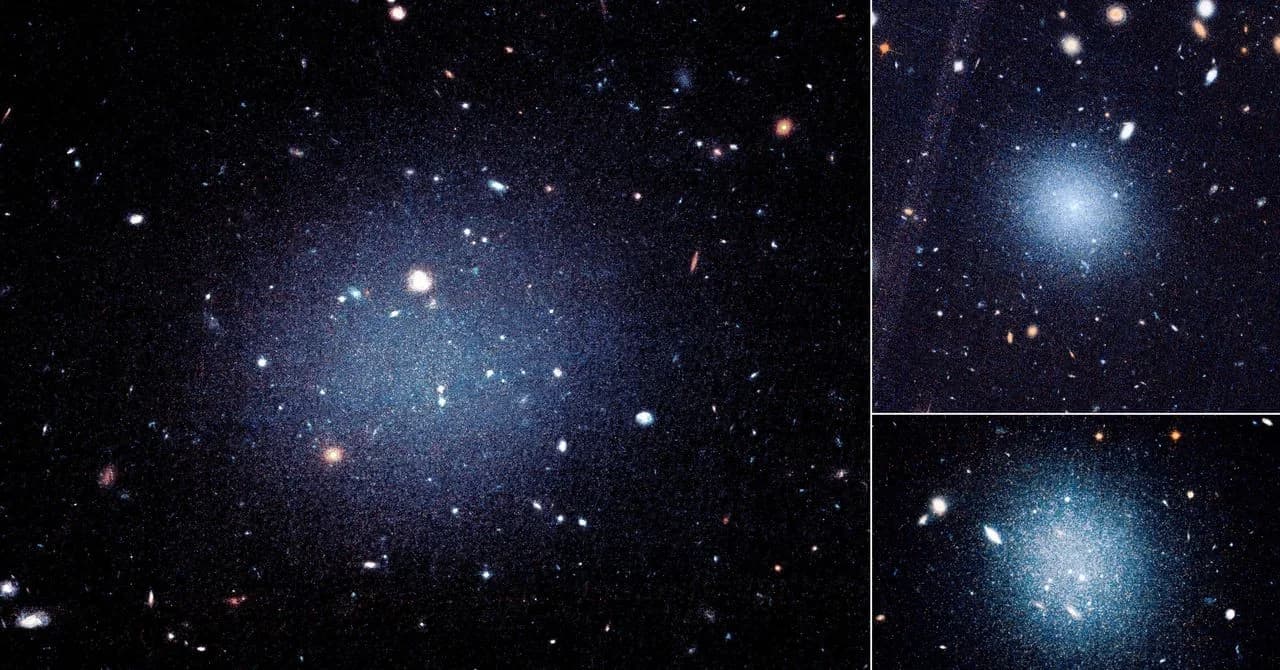
Ancient collision may explain three ghostly galaxies missing dark matter
A new study proposes that two ordinary galaxies collided, leaving behind dim objects some 65 million light-years away with almost no dark matter.
Page 2
A new study proposes that two ordinary galaxies collided, leaving behind dim objects some 65 million light-years away with almost no dark matter.
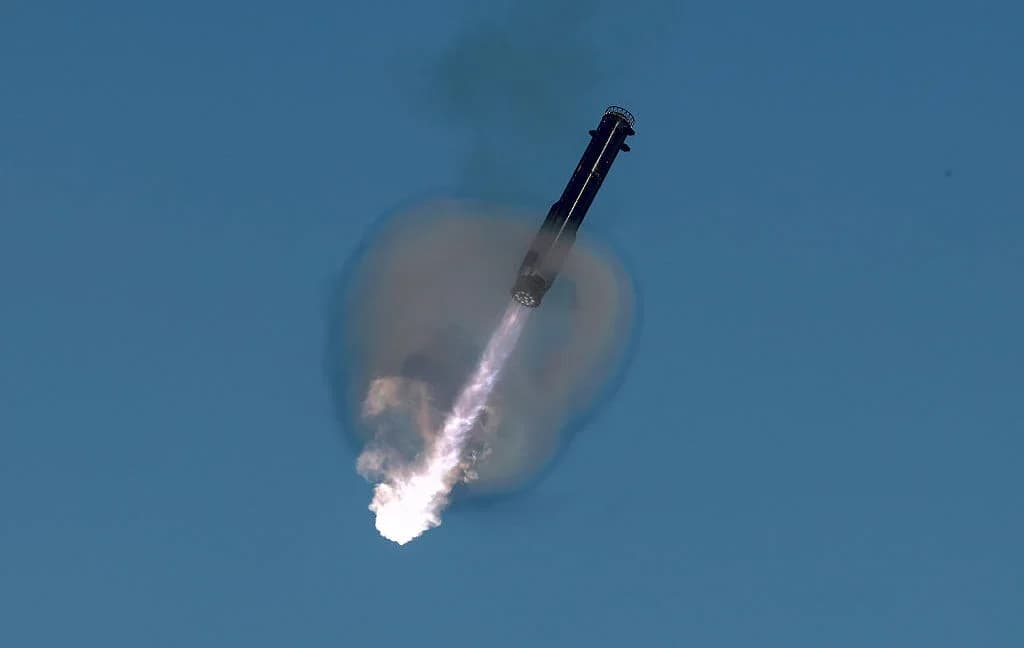
The upper stage completed its main mission, but the booster was diverted to the Gulf of Mexico instead of returning to the launch tower.
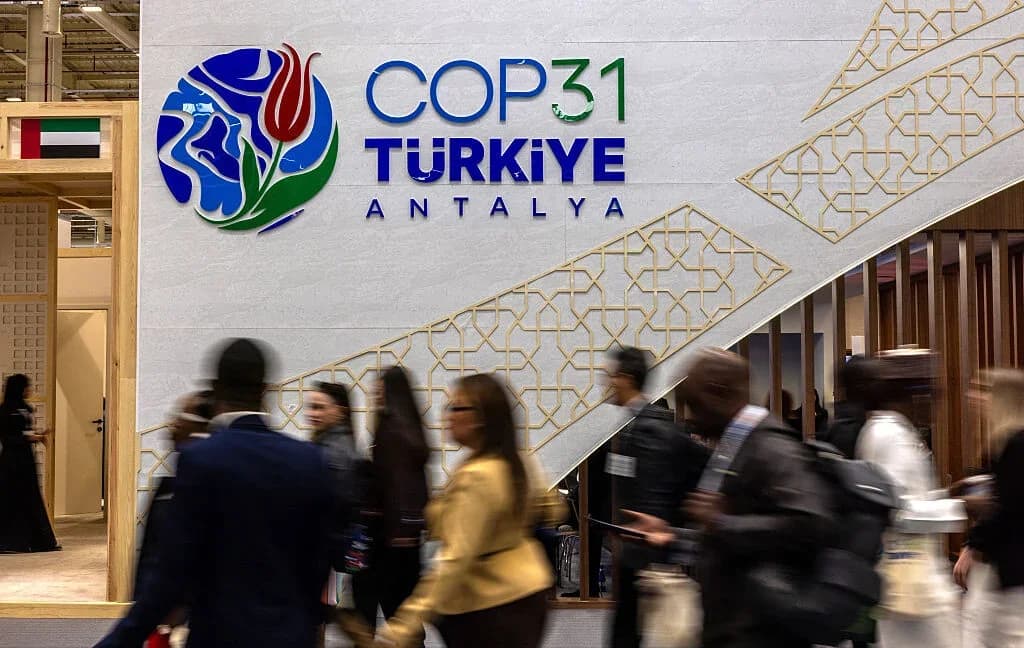
Researchers say government climate action has stalled for a fifth year, with new oil and gas projects undoing progress on renewables.
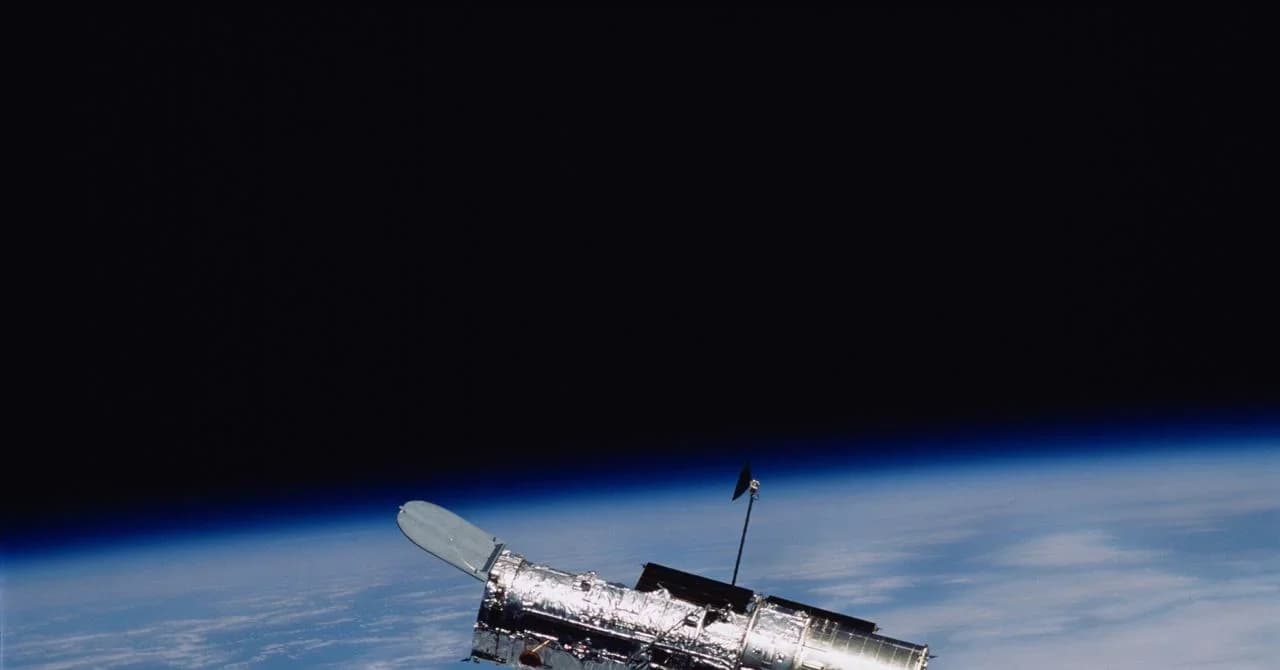
The slowly descending telescope could reenter the atmosphere in 2033 or 2034, and the agency is looking for ways to prevent that.
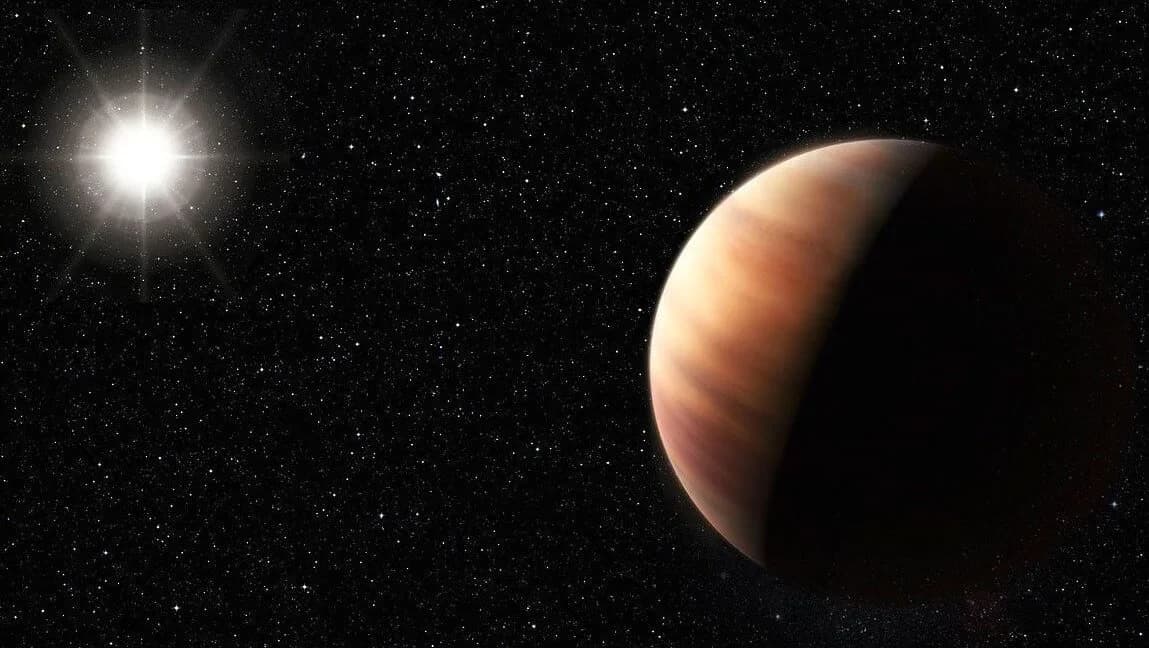
Researchers say the planet's orbit is tilting unusually fast, possibly pulled by a second, unseen planet in the system.
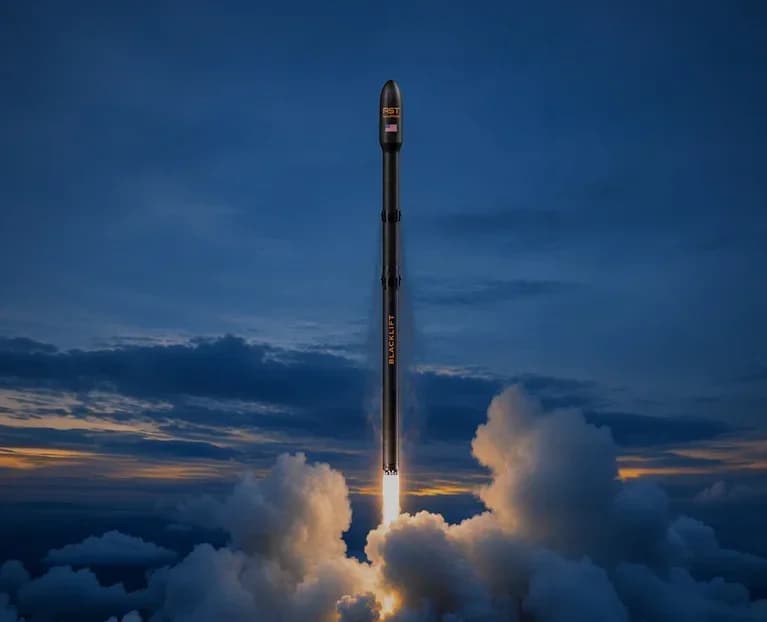
The satellite company calls the three-stage launcher "simple," but its engines are still in testing and the timeline looks ambitious.
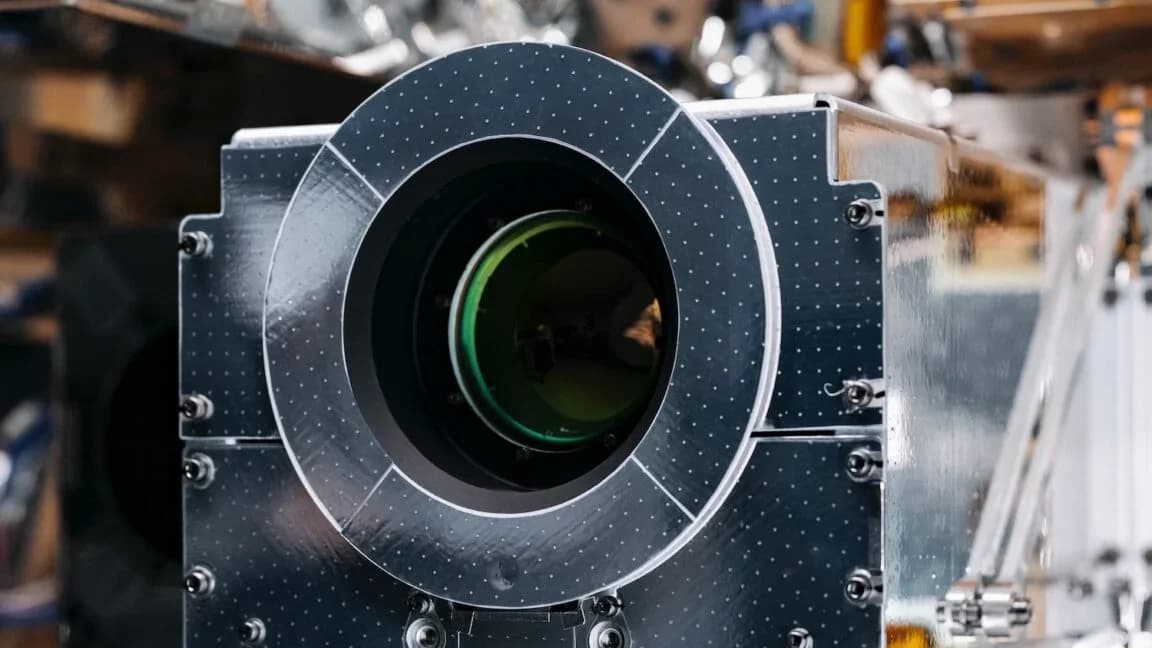
The long-wave infrared device detects spacecraft heat signatures, letting operators watch objects during periods when they were once nearly blind.
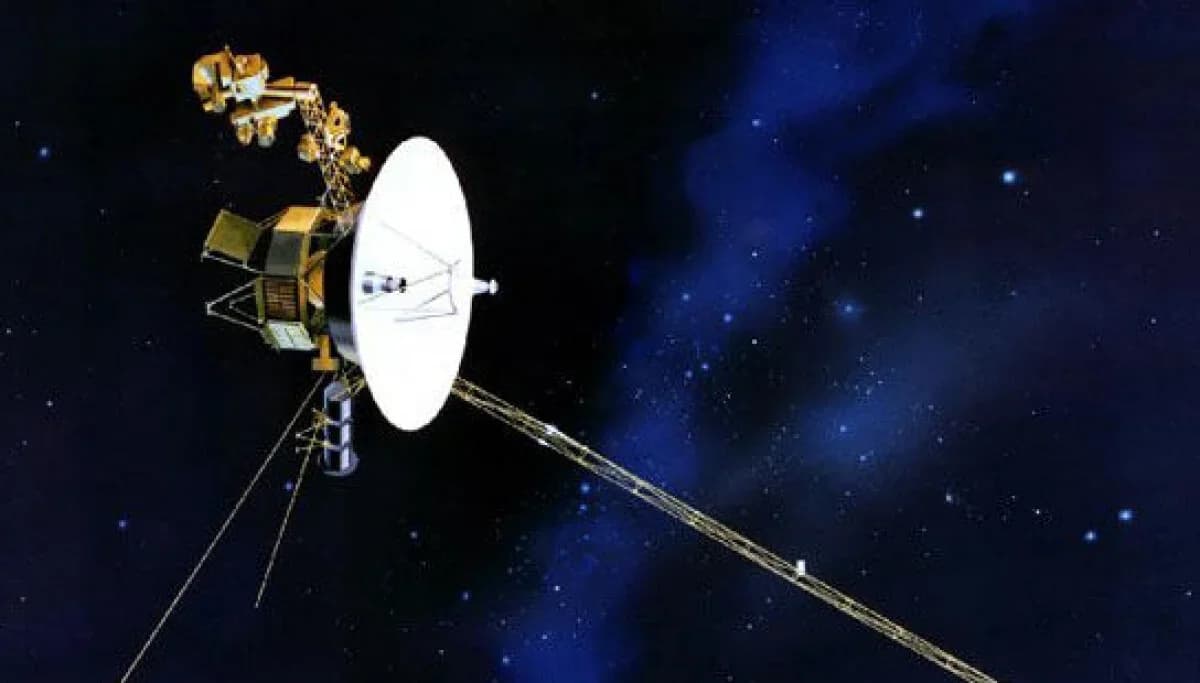
NASA is inviting people to flash the mission's code, VGR, in Morse code with flashlights on November 17 to mark the milestone.
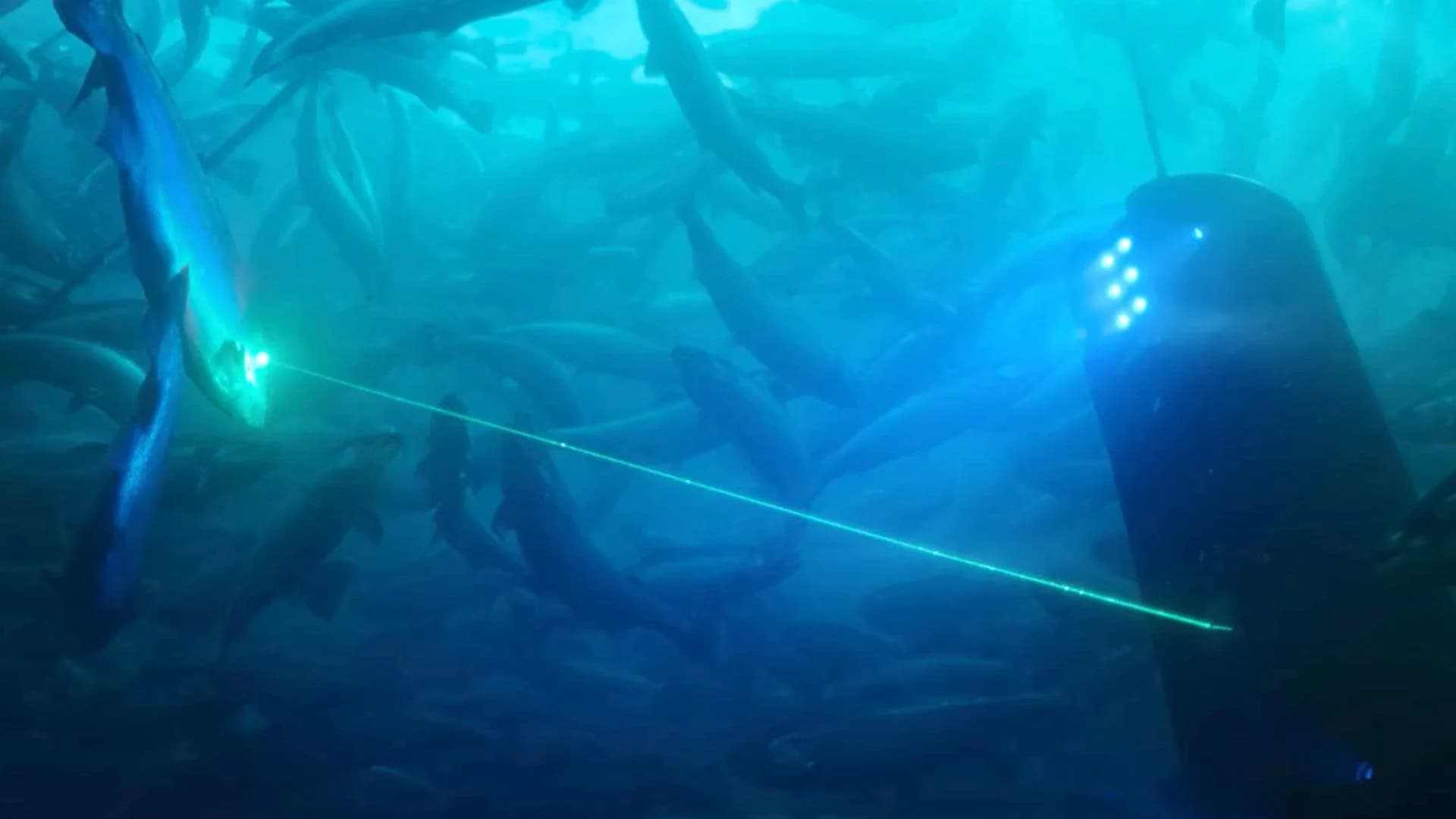
Stingray Marine Solutions says its underwater devices protect over 112 million fish, offering an alternative to chemical treatments.
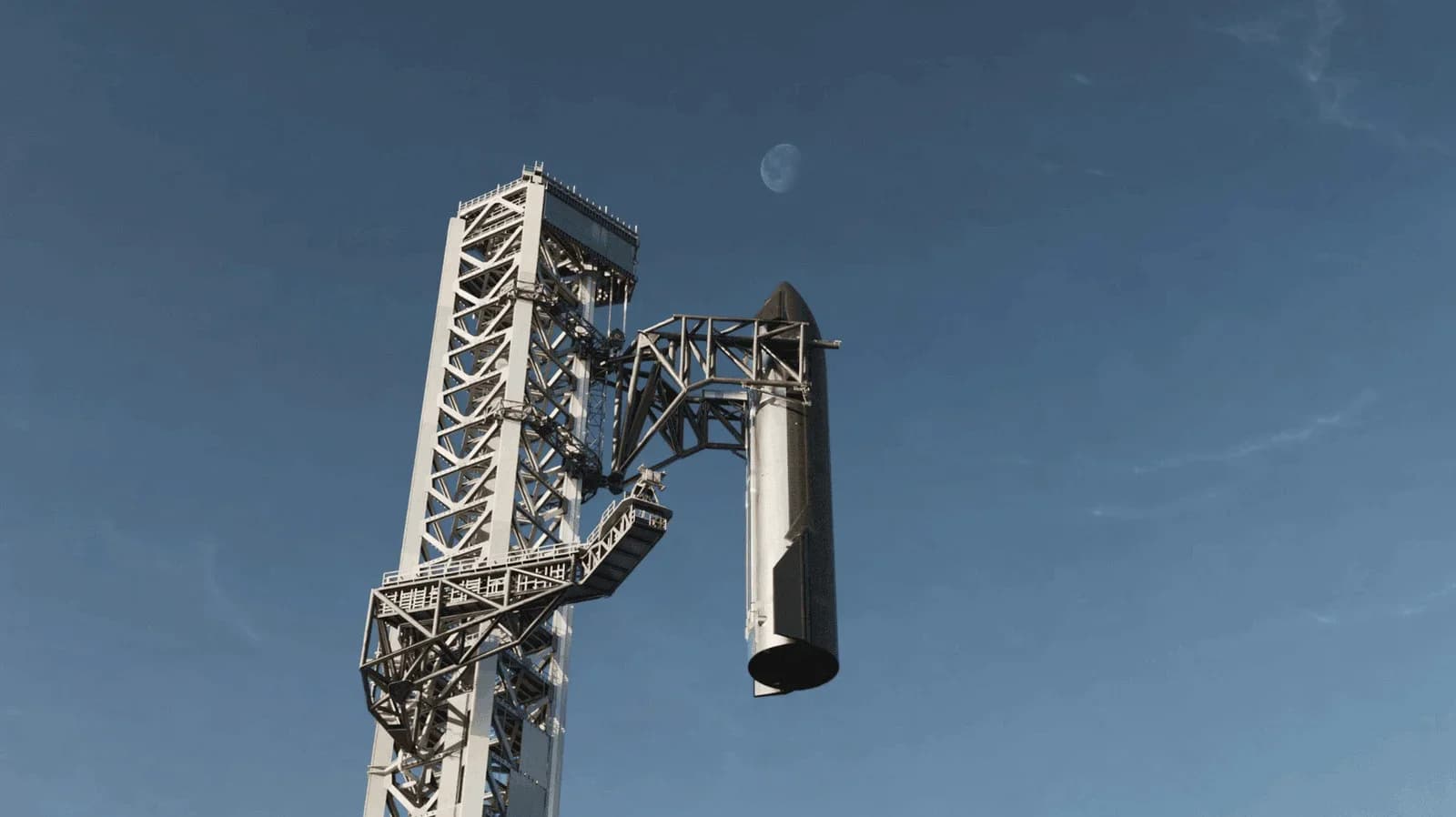
Flight 15 still needs regulatory approval, and the upper stage is expected to spend more than 22 hours in orbit before any catch attempt.
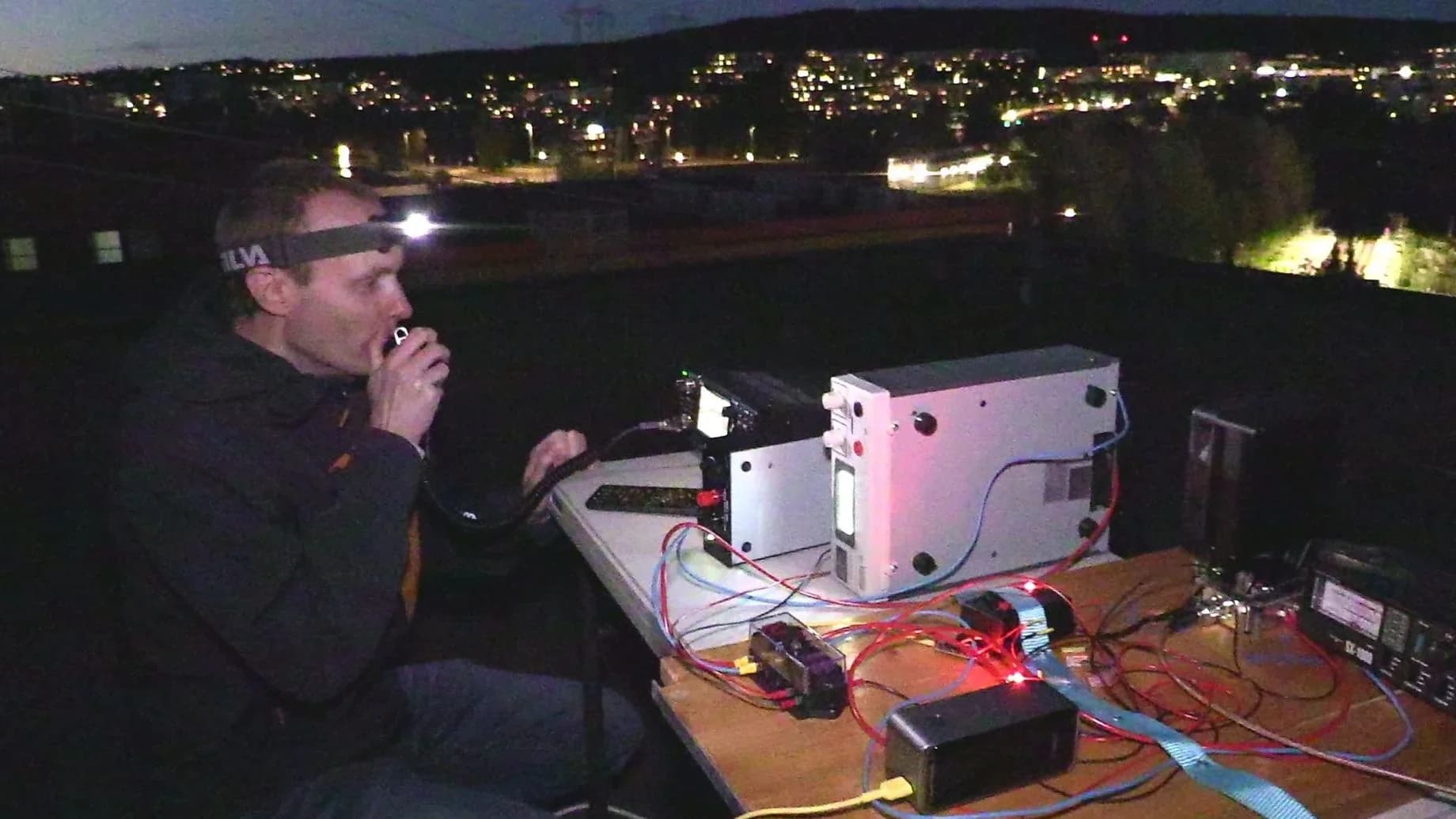
Amateur radio operators in Oslo and Poland sent a spoken command on the 23 cm band to start the 1993 game aboard the spacecraft.

A new framework called AlphaProof Code checked core cryptographic guarantees of the widely used messaging protocol in just four weeks.
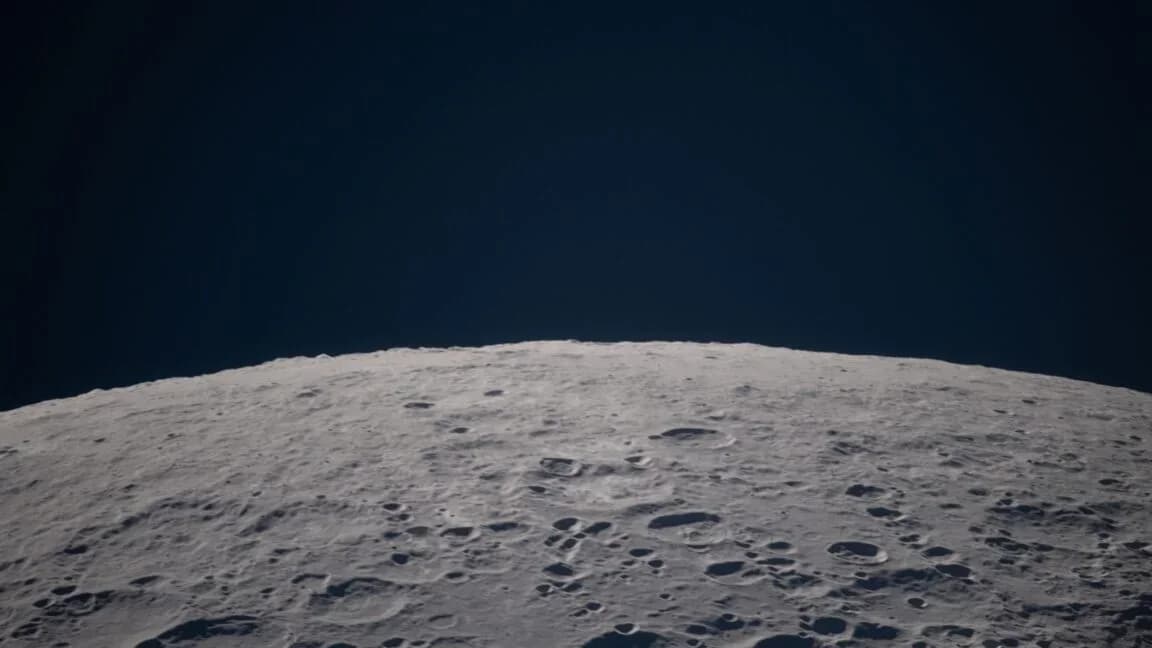
The Department of the Air Force has asked companies for proposals to send up to five spacecraft into lunar space by the end of 2029.
The robot is slated to land near the lunar south pole in late 2028 and operate there for 18 months, at a cost NASA puts under $400 million.
A feature called Dynamic Frequency Selection forces routers to vacate shared channels when radar is detected, causing brief connection drops.
The object holds hydrogen totalling roughly 2 billion times the mass of the Sun, yet astronomers have not been able to detect any stars in it.
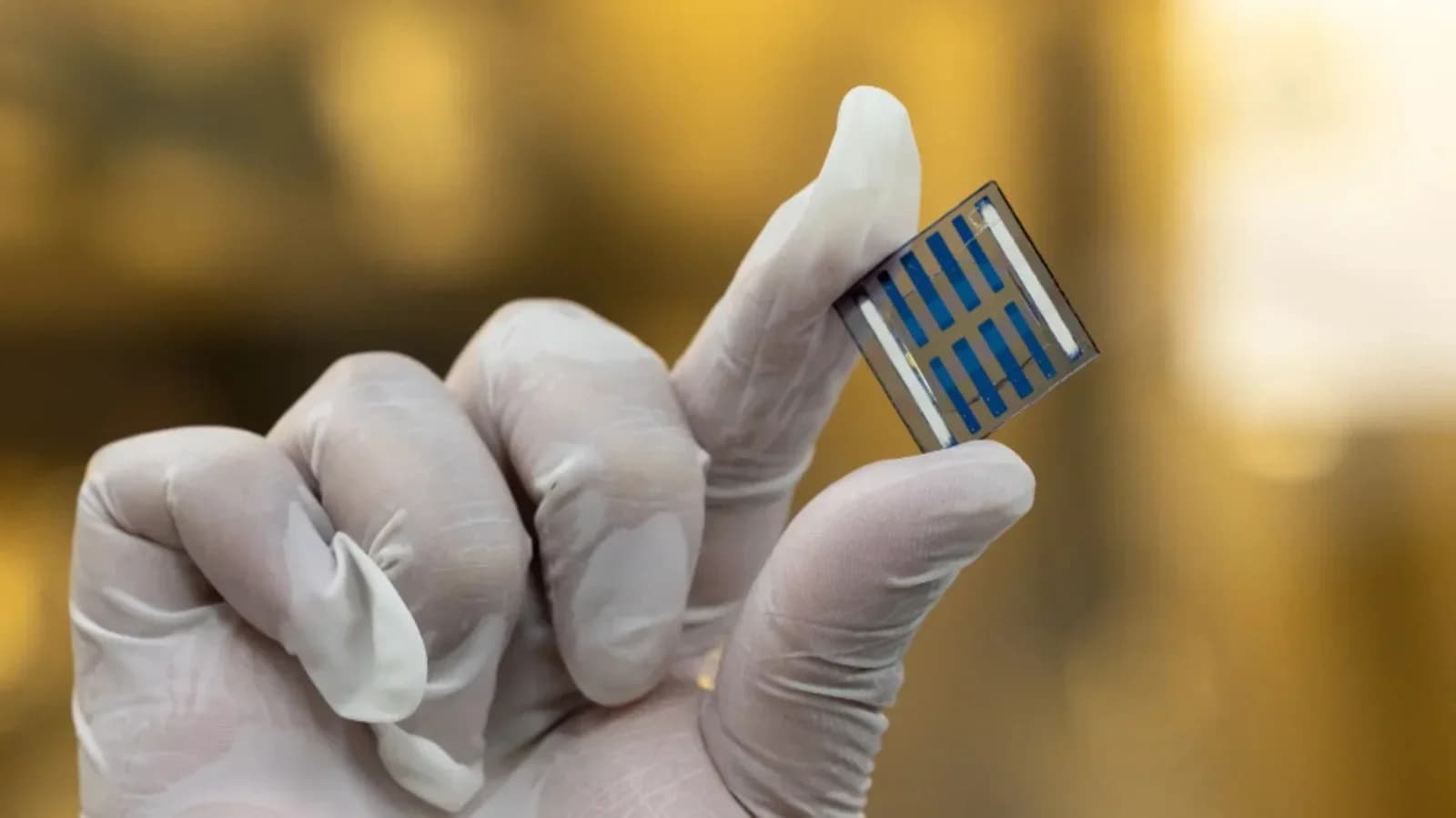
By reducing energy lost through light the cells emit, the method could in theory push solar cell efficiency to nearly 43 percent.
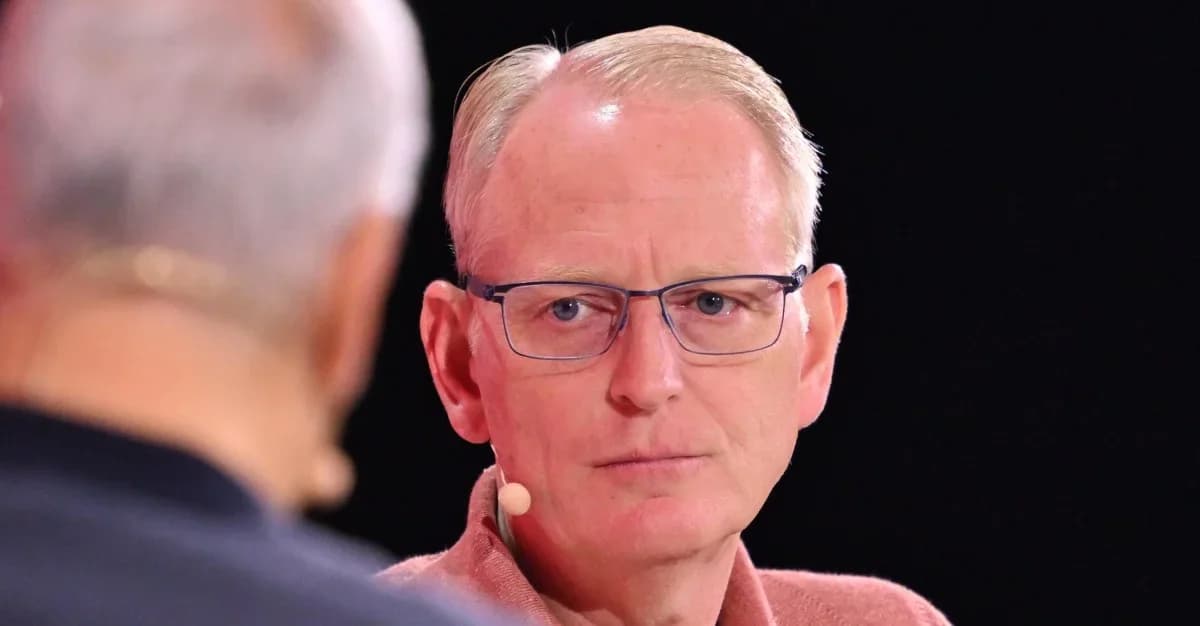
CEO Dave Limp told employees that repairs to a launch pad damaged in a May explosion were slowed by bad weather.
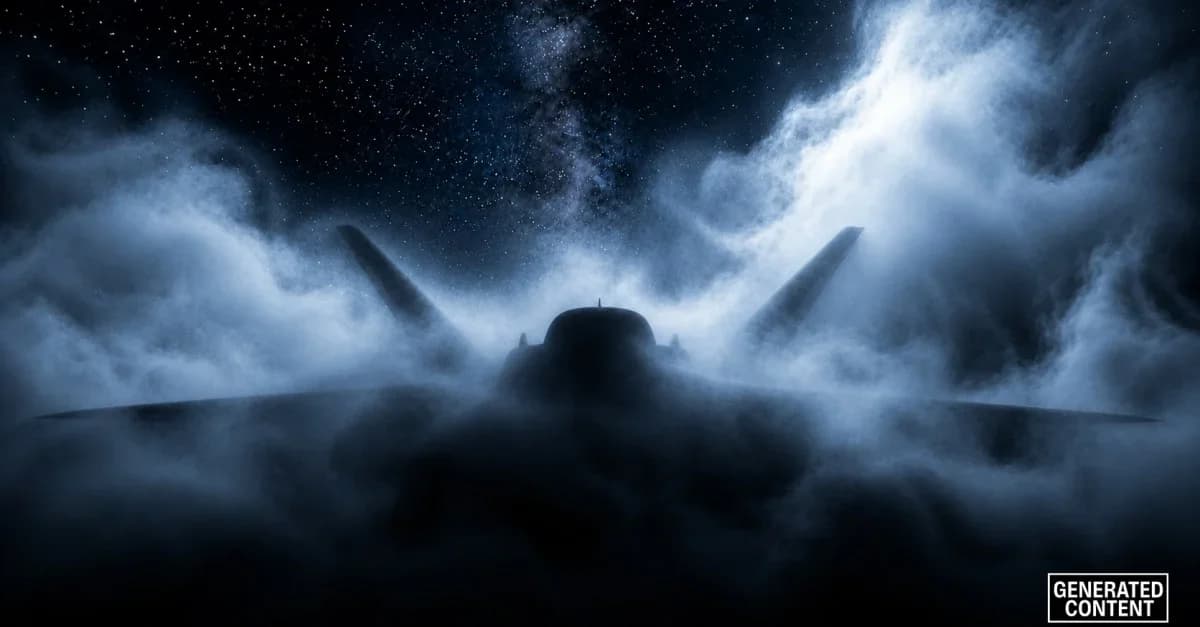
The crewed research aircraft is designed to test next-generation aviation technologies in real flight, with a first flight expected within two years.
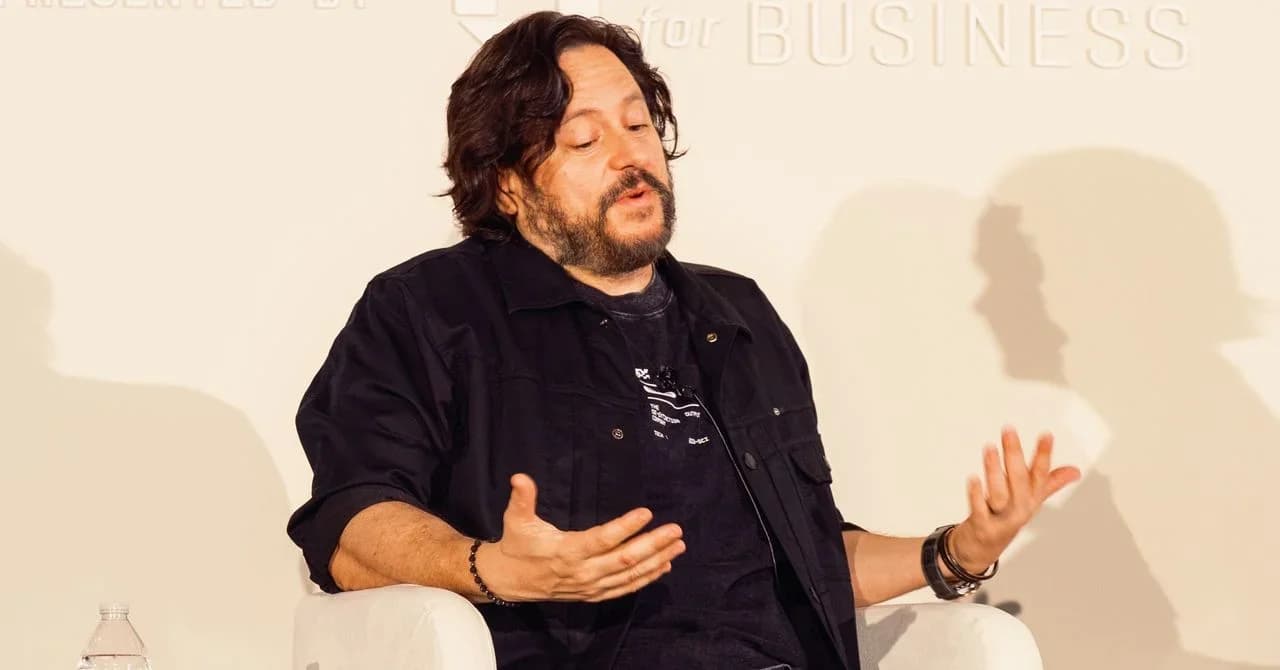
Ben Lamm discussed working with the Trump administration, progress on gene editing and why the company will not bring back the megalodon.