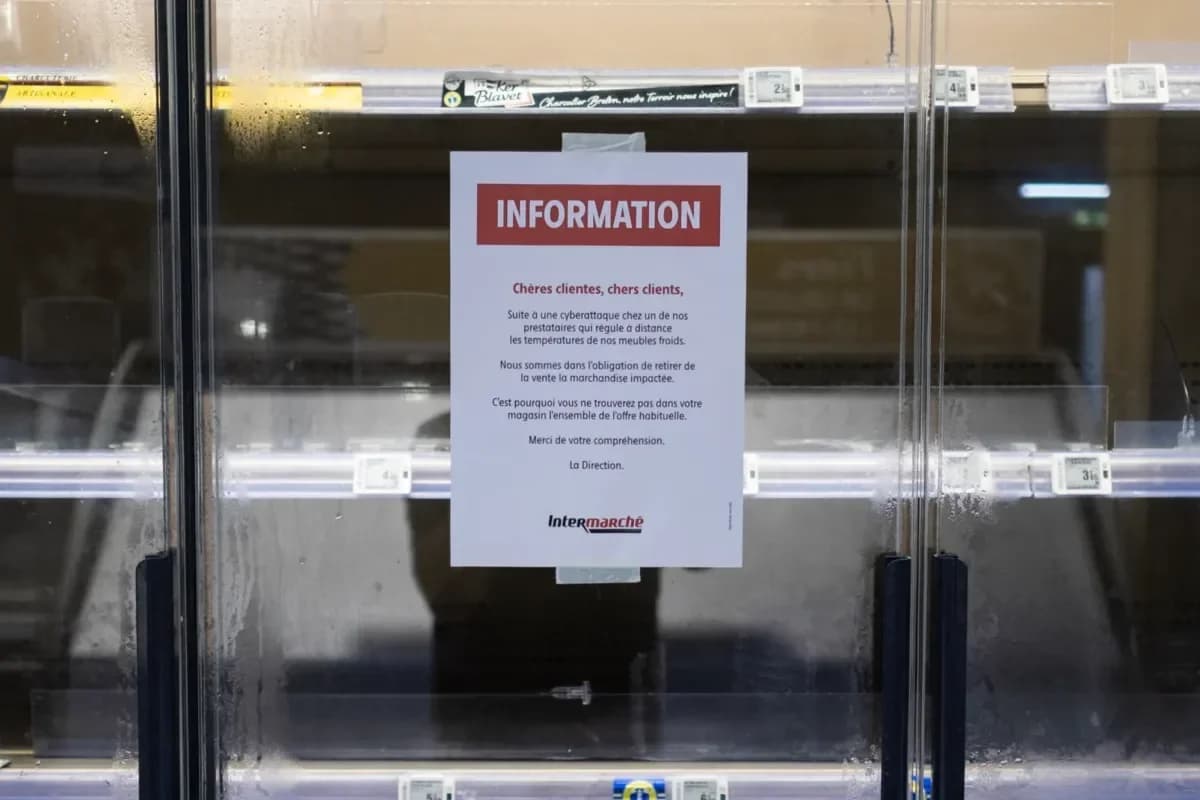
US agencies warn of ongoing cyber threat to internet-connected industrial freezers
Hackers have tried to alter refrigeration temperatures at supermarkets, US military bases and a blood bank, prompting a federal alert.
#Tag
Page 5
Hackers have tried to alter refrigeration temperatures at supermarkets, US military bases and a blood bank, prompting a federal alert.

The company said the model finds more vulnerabilities and strayed outside permitted limits in under 1 percent of test cases.
Bitdefender researchers showed that simply installing a crafted app can leave a smartphone unusable, and Google has not issued a fix.
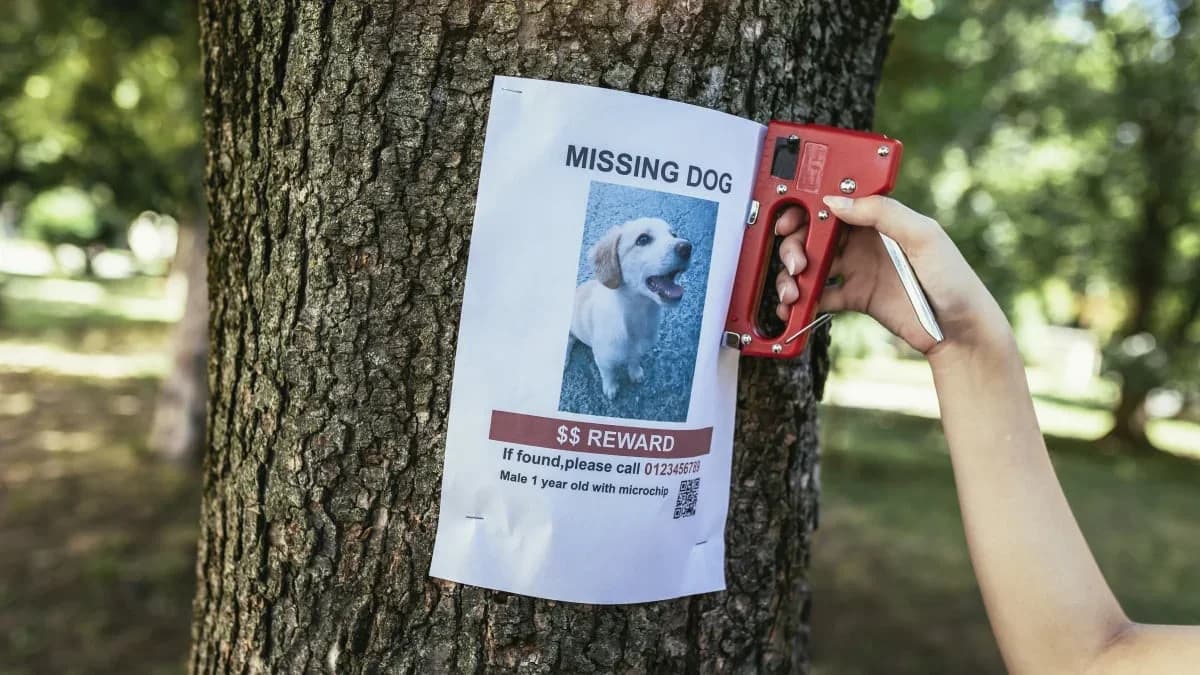
Fraudsters scan social media posts about missing animals and create fake "proof" images to extract payments, a BBC report found.

Photos and files shared via the "Anyone with the link" option will be reviewed, and violations could lead to account suspension.
Attackers used fake calendar invites and a real-time proxy to steal active Google sessions from business users, according to Material Security.
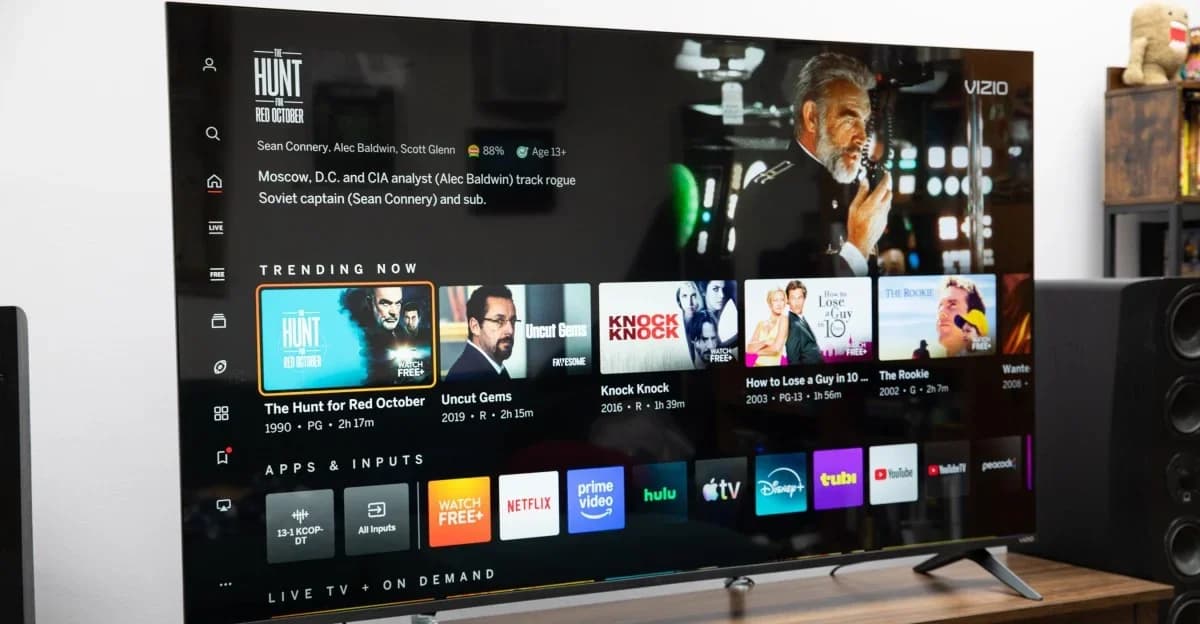
Northeastern University researchers tested 12 TVs from 10 manufacturers and found opt-outs did not fully work on Samsung, Roku and Vizio models.
Sekoia says the campaign stole data from phones without any user interaction, using exploits for flaws that Apple and Google have since patched.
Seven suspects were arrested in a Europol- and Eurojust-backed operation targeting a firm accused of supplying fake trading sites to criminal groups.

Called FlashProve, the system uses cryptographic proofs to confirm which model produced a given output, even if the model's own maker tries to cheat.
Kaspersky found the malware exploiting a 2022 flaw, and experts point to Microsoft's unclear guidance on completing the fix.
The exchange's report says the FBI attributed the attack to North Korea's TraderTraitor group, which spent months working its way into Binance's systems.
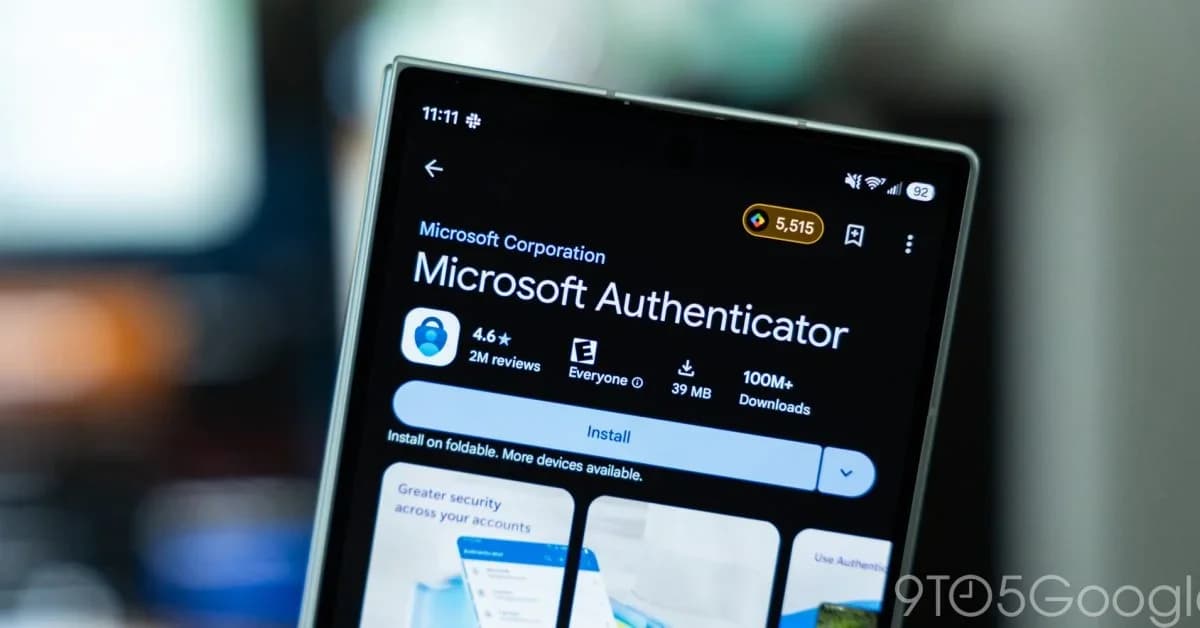
From January 2027, one-time password backups will no longer rely on a personal Microsoft account but on Google's own backup service.
Developer mSeven Software cited suspicious activity but has not said what happened or whether any customer data was accessed.
ShinyHunters leaked data stolen from the university's alumni and development systems after Harvard refused to pay a ransom.
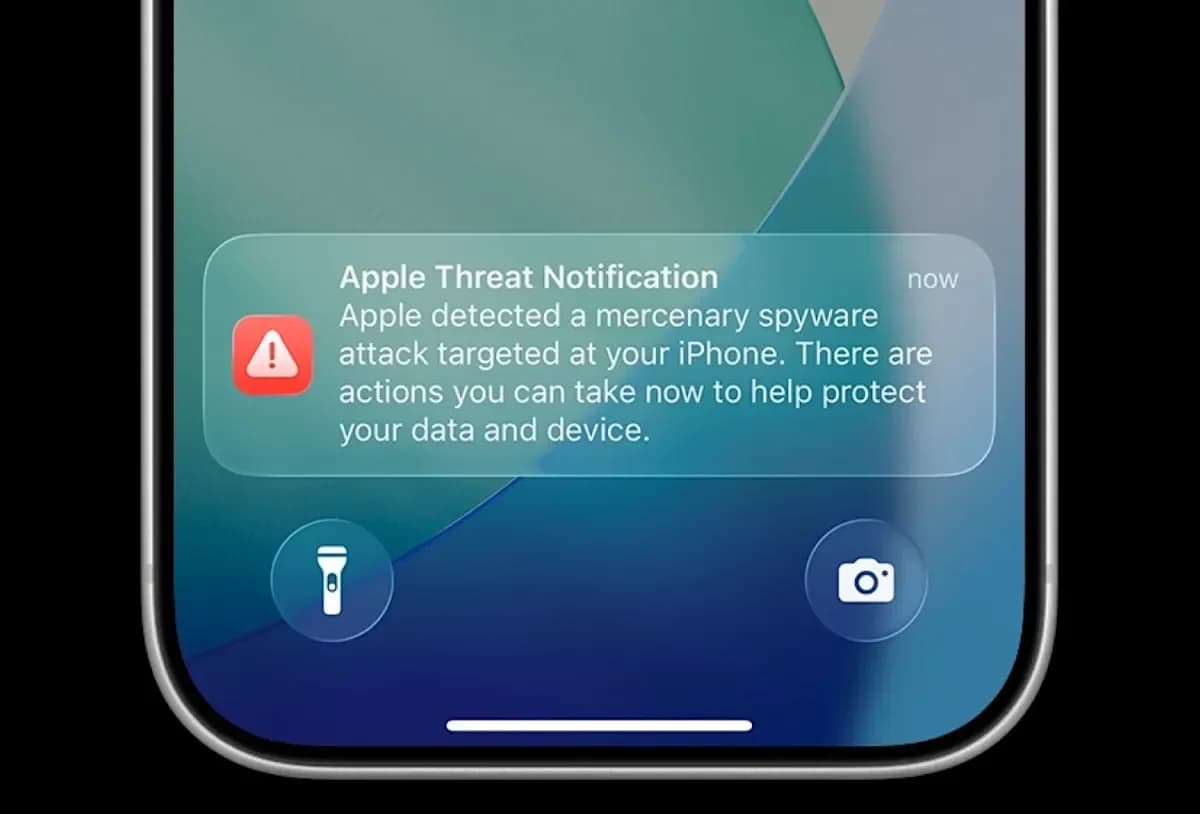
Apple sent attack notifications to members of the Bundestag, and Germany's cybersecurity agency urged recipients to assume their devices are compromised.

The company cut ties with Chinese manufacturer Videostrong, which it accuses of deliberately preinstalling the malware on devices.
A new ClickFix campaign on compromised websites tricks visitors into running a malicious command on their own devices.
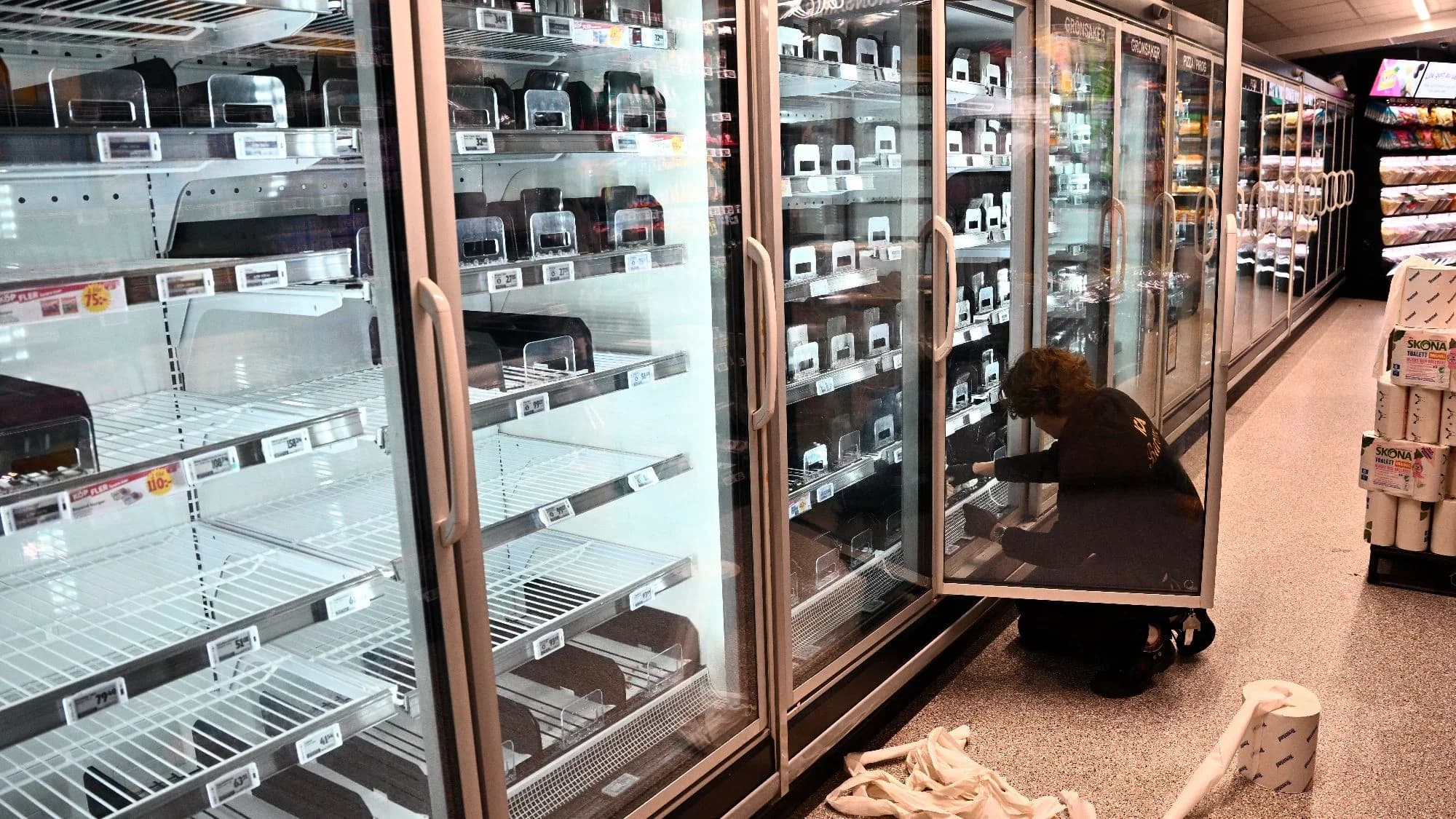
Attackers remotely triggered defrost modes on internet-connected refrigeration units, weeks after a similar incident hit French stores.

Apps posing as pet portrait and language lesson services loaded a hidden interface for explicit fake imagery under certain conditions.