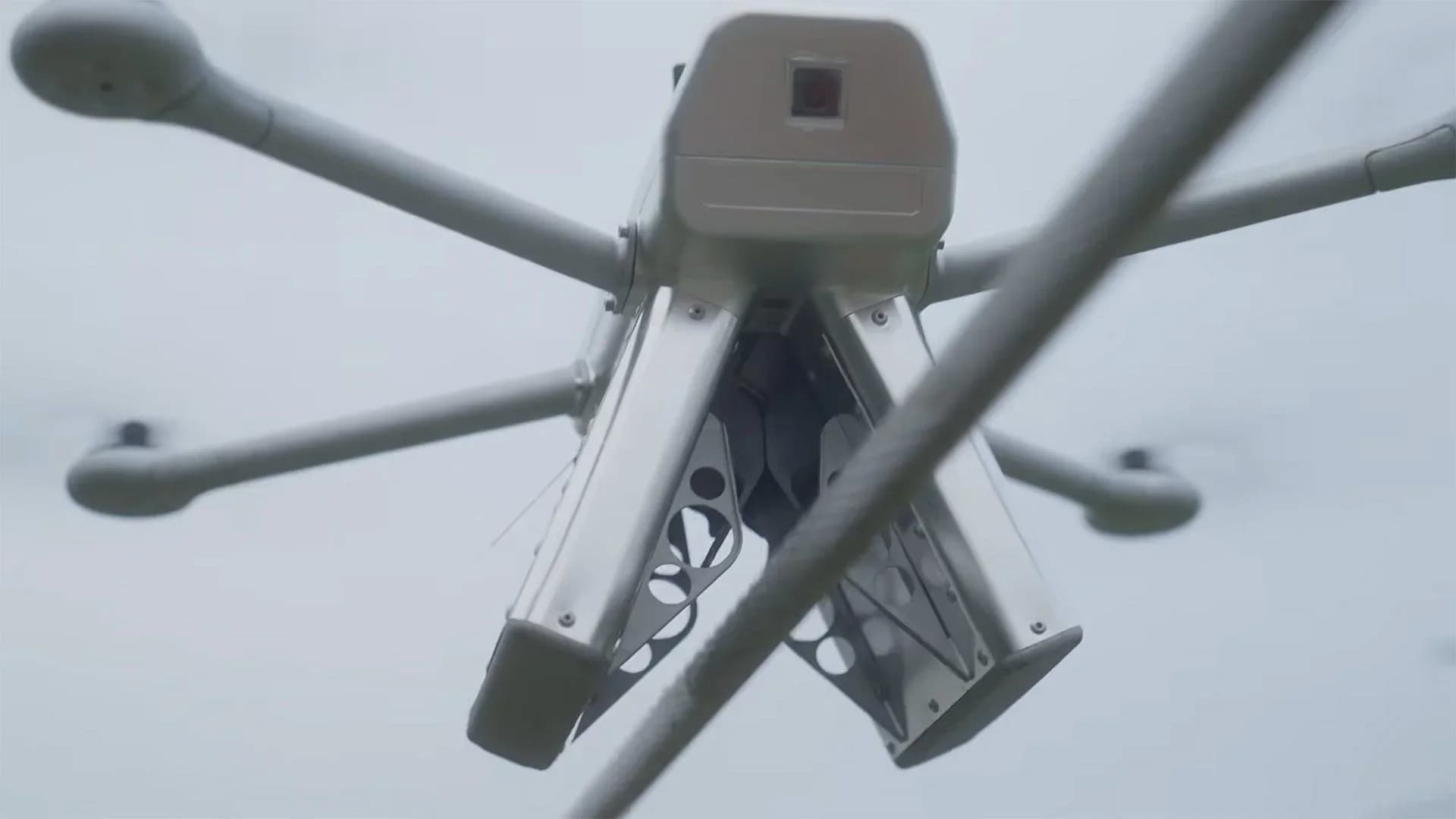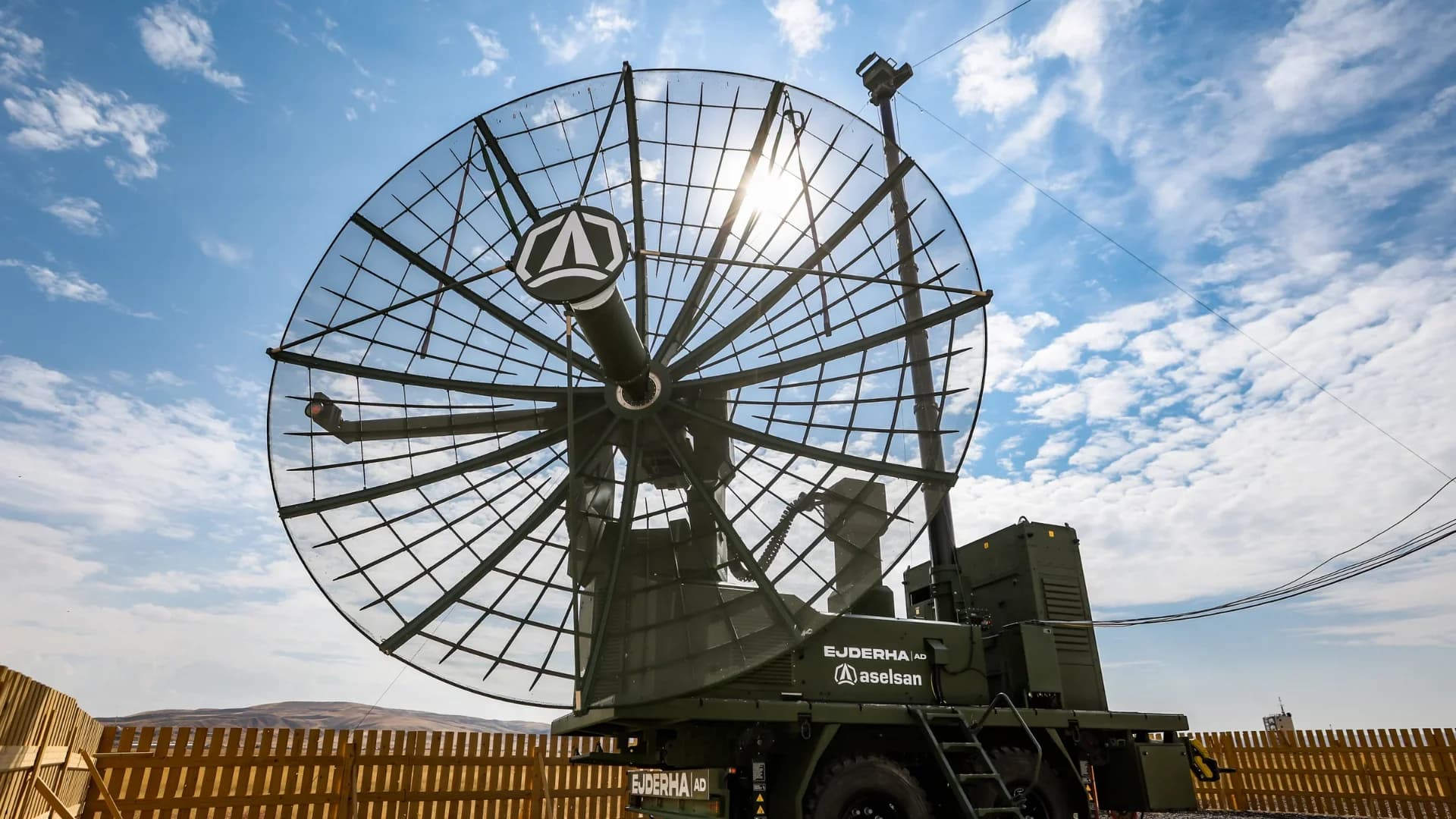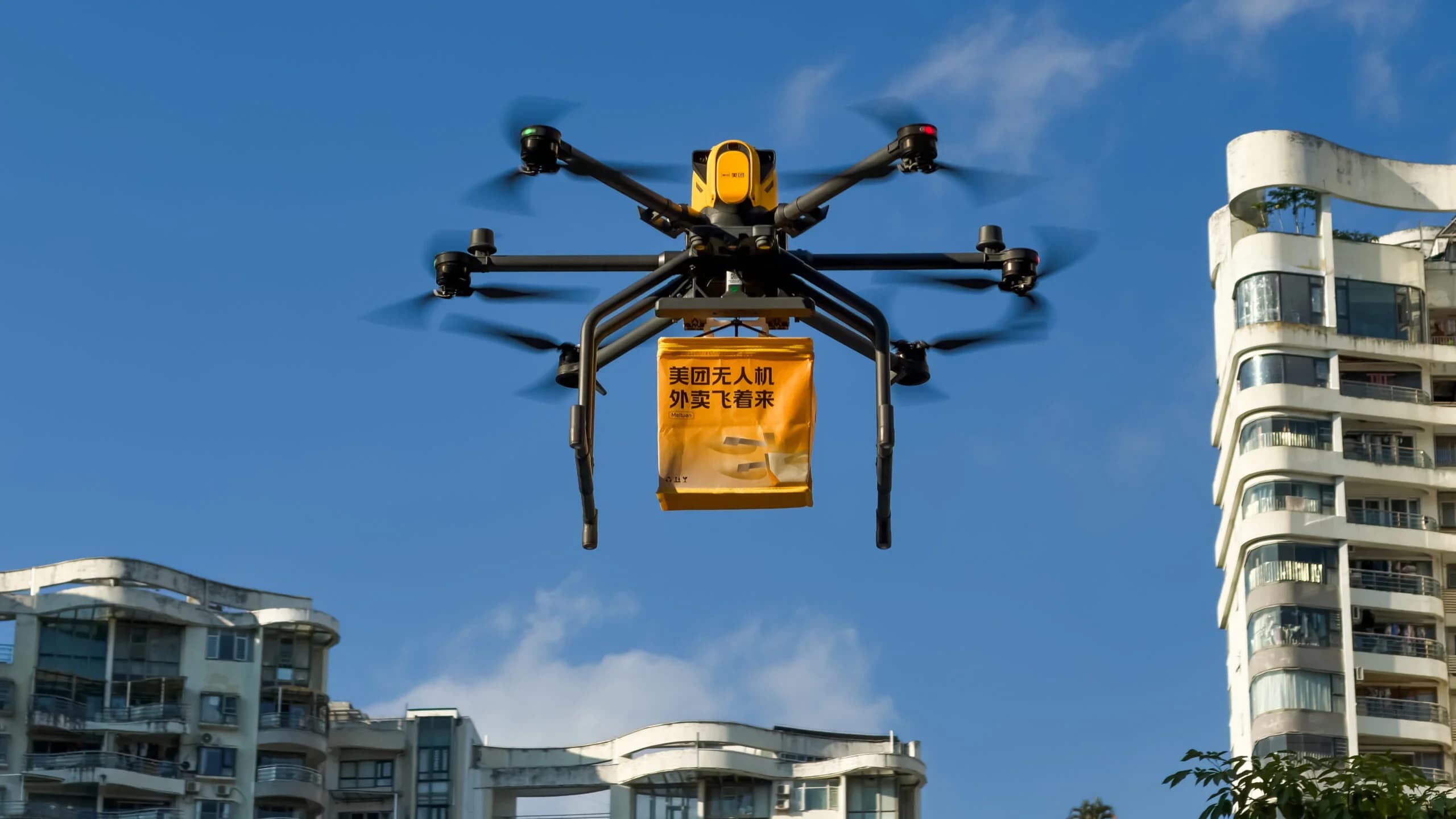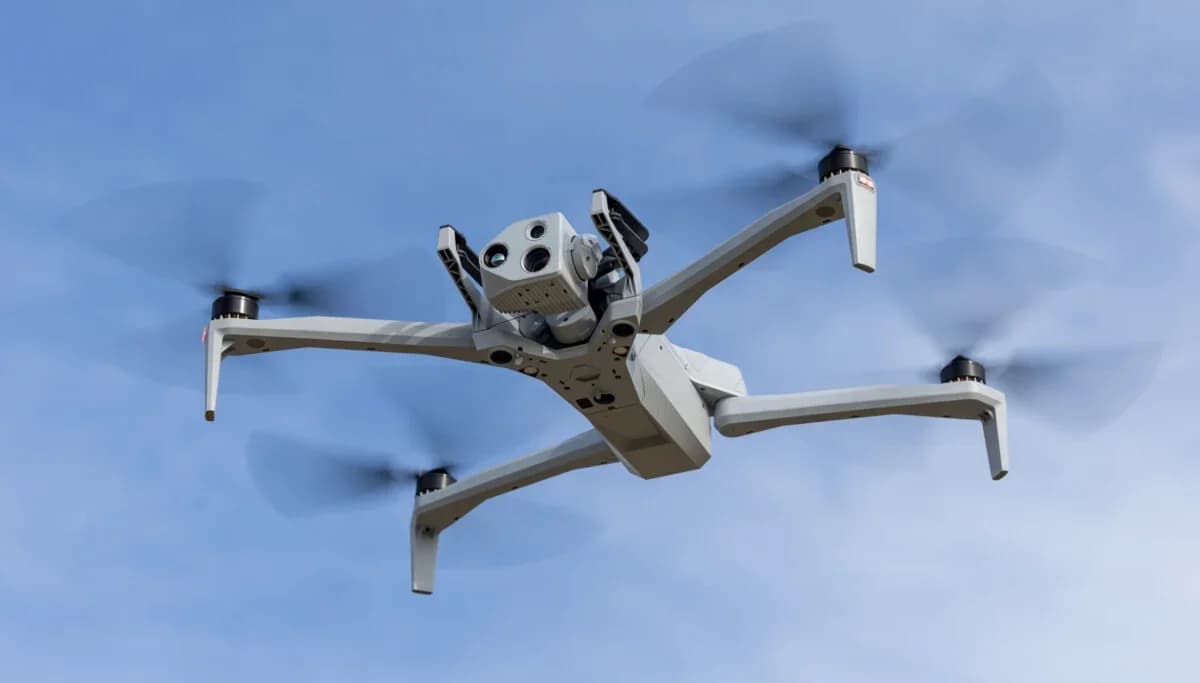
Ericsson has unveiled technology that lets mobile networks detect and track drones, The Register reports. The company's solution, called Integrated Sensing and Communication (ISAC), identifies low-flying objects by analysing how radio signals bounce off them.
The system relies on several mobile base stations working together. One station transmits a signal, which reflects off a drone and is picked up by multiple receiving sites. The network then processes these signals to pinpoint the drone's position and follow its movement. Ericsson said the system is meant to complement radar rather than replace it.
Following trials in recent months, Ericsson said it would roll out the technology commercially in stages. Small-scale pilot projects with selected customers are set to begin in 2027, with broader deployment expected from 2028. ISAC requires dedicated radio equipment, computing resources and software.
Ian Fogg, research director at CCS Insight, noted that unlike traditional radar, mobile network antennas cover altitudes close to the ground, which is exactly where drones fly. He added that the future 6G standard could further improve detection accuracy.
AT&T has tested ISAC in Arlington, Texas, and a trial was also carried out in Finland with state-owned Erillisverkot. In both cases, the system detected several drones and tracked their movements. Airport closures caused by small drones have become more frequent recently, most recently at Jersey Airport over the Halloween weekend.
Source: The Register
Next story