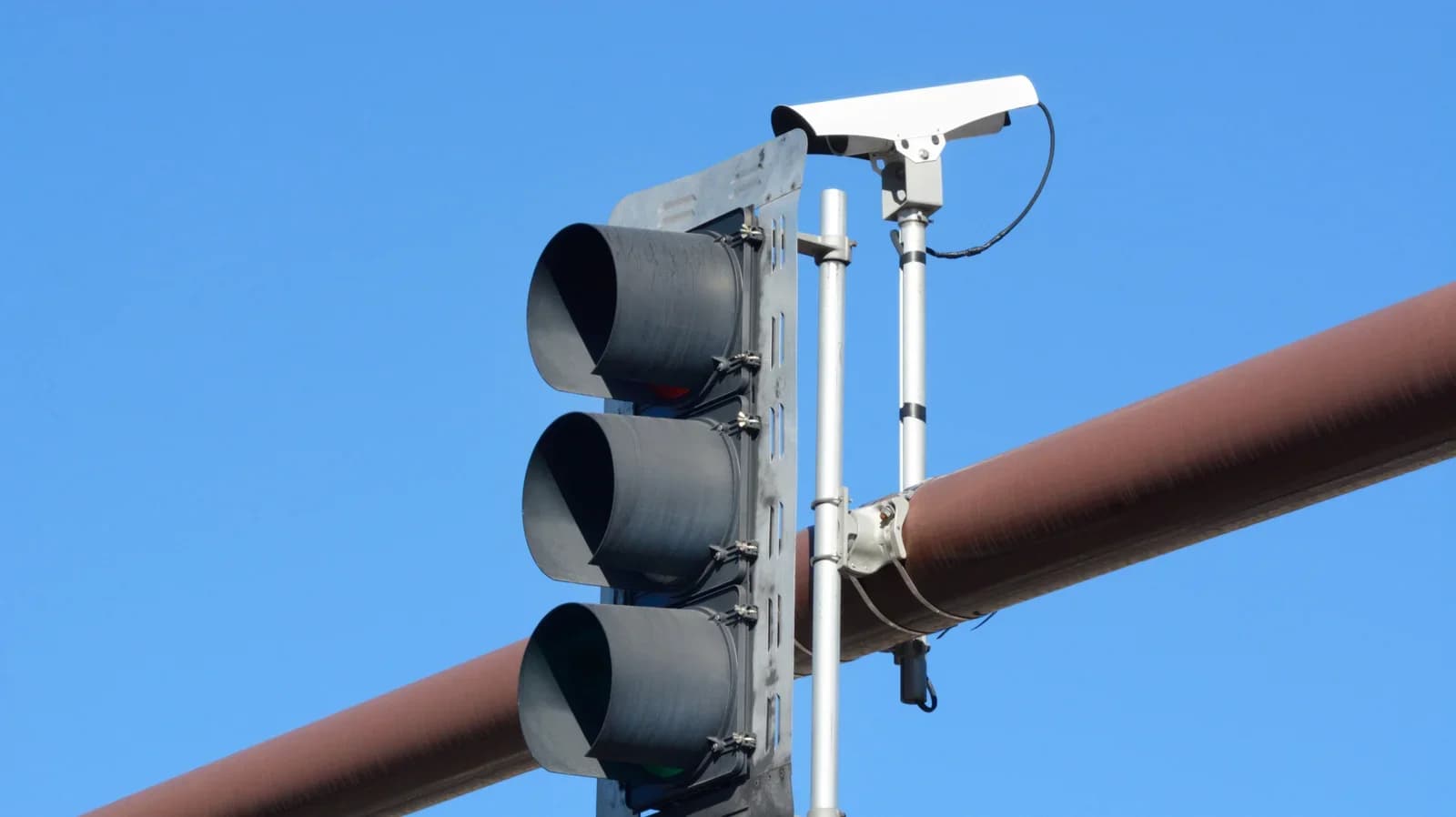
Most of the white cameras mounted above traffic lights are not used to track individual drivers but to monitor road conditions and control signals automatically, Engadget reports.
The explanation comes as drivers have grown uneasy over reported misuse of automatic license plate reader (ALPR) cameras made by Flock and other companies. Red-light cameras have also drawn controversy: they are banned in many US states and remain uncommon even where they are allowed.
According to the outlet, ordinary traffic cameras are not meant to gather evidence for law enforcement. Their live feeds let operators watch for congestion and crashes, change how signals operate when needed, or alert emergency services. The data also helps engineers study traffic patterns over the long term.
In many cases, the cameras on traffic lights do not stream video at all and instead connect directly to the signal system. Engineers mark a specific zone in the camera's view, and when a vehicle enters it, the lights change according to a preprogrammed sequence. Such systems may also rely on radar, infrared cameras and electromagnetic detectors embedded in the road alongside video cameras.
Which cameras can be installed on roads is determined by local laws, while the role each one plays depends on the needs of the specific intersection.
Source: Engadget
Next story