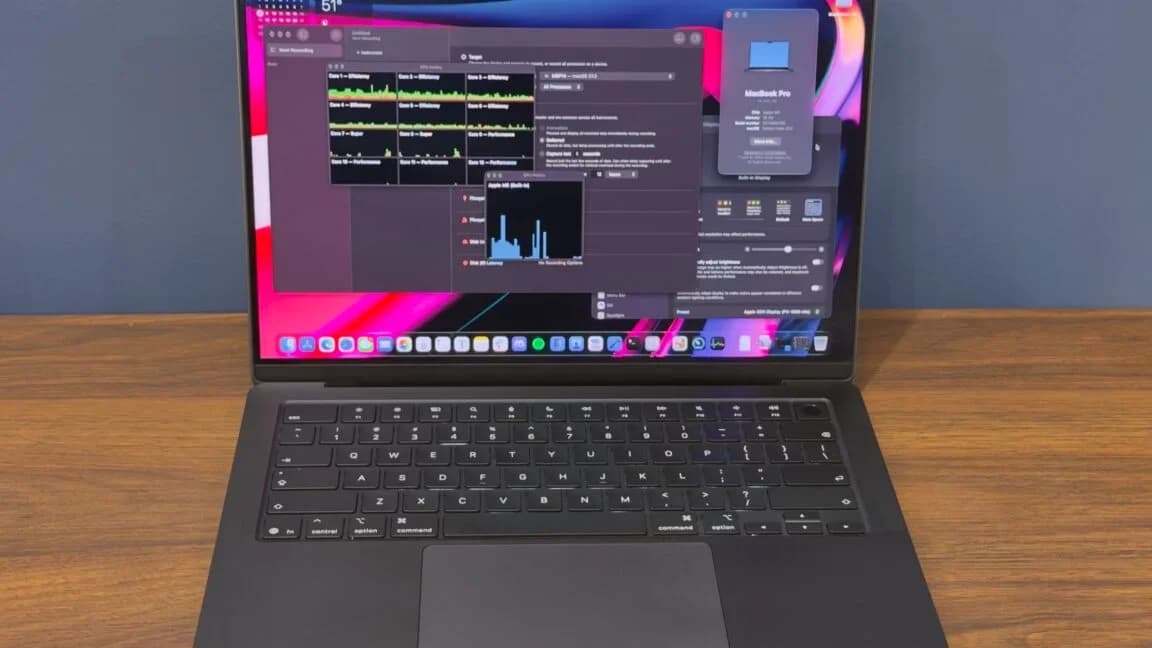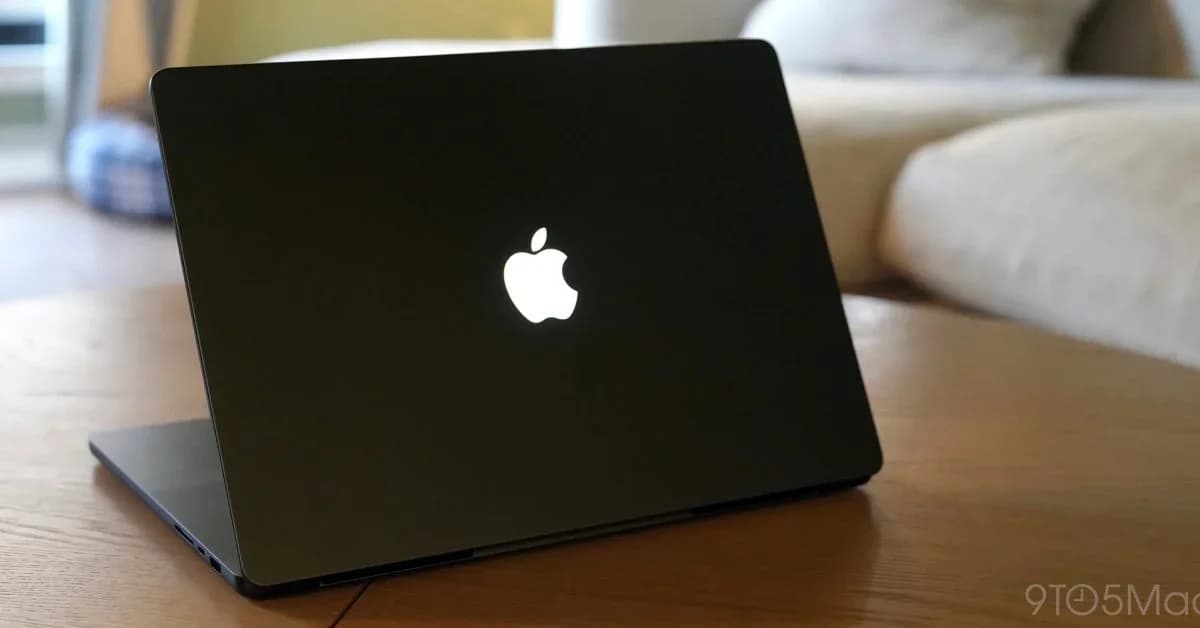
Apple's MacBook Pro with PROLED XDR Display, unveiled last week, brings some of the biggest changes to the laptop line in years, 9to5Mac reports. The new model has a tandem OLED screen, a lighter chassis and touch input, and the Apple logo on the back panel lights up again.
The 14-inch version dropped from 3.5 pounds to 3 pounds, and the 16-inch version from 4.7 pounds to 4 pounds. According to the report, most of the savings came from moving from mini-LED to OLED, which does not need a backlight, and from building the touch sensor directly into the panel. Both models are also slightly thinner.
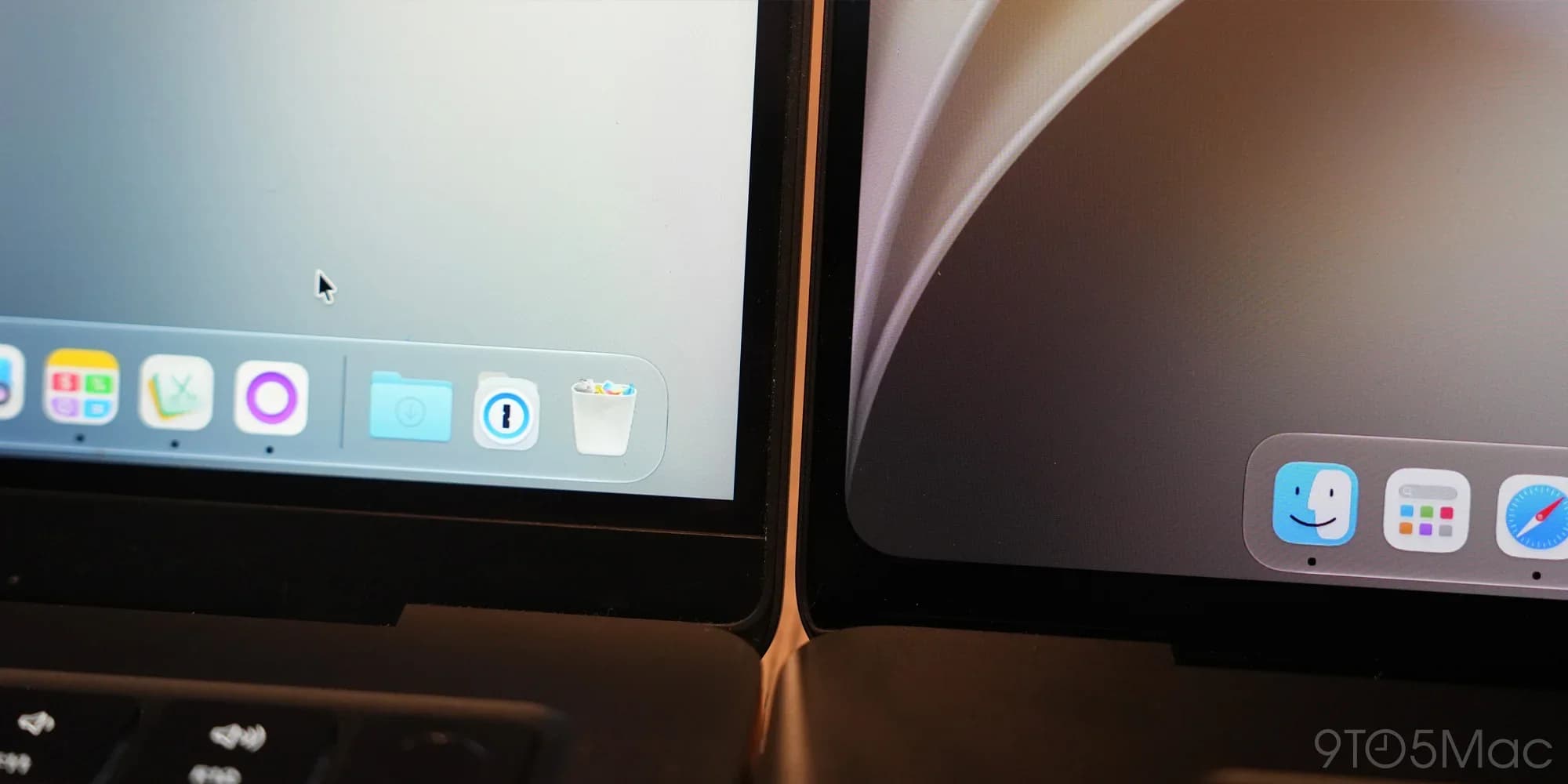
The display reaches 2000 nits of peak HDR brightness and 2000 nits of outdoor SDR brightness, with reflectivity of just 1 percent. Apple said an updated display engine monitors pixel usage in real time to reduce the risk of burn-in.
Touch is meant as a secondary way to control the Mac rather than the main one. When macOS detects a touch, it increases the spacing between menu items, and familiar gestures such as zooming and switching between windows are supported. Apple also added automatic stabilization that compensates for camera shake when the screen is touched during video calls.
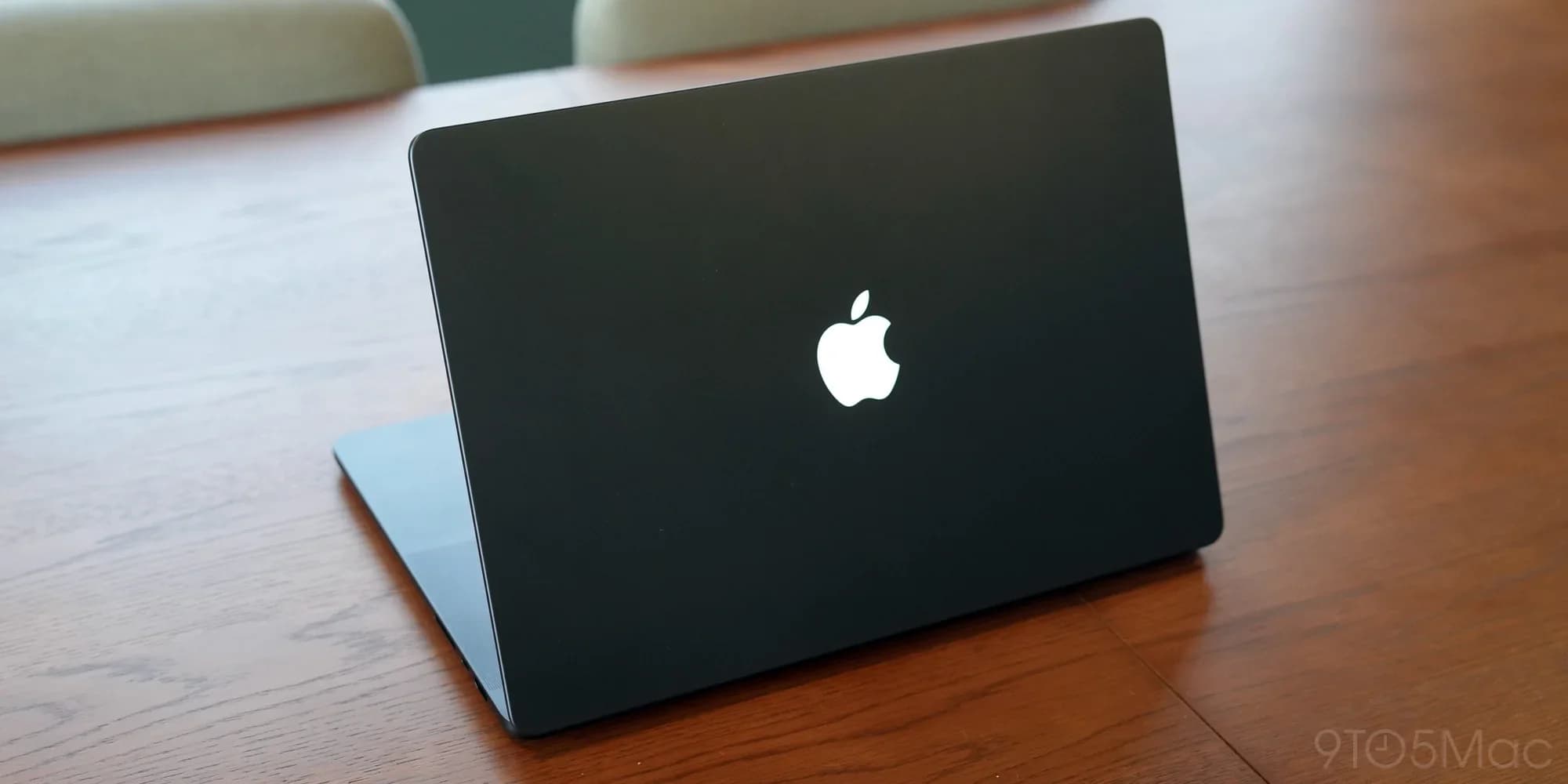
Apple resisted the idea of a touchscreen Mac for a long time. In 2010, Steve Jobs called vertical touch surfaces ergonomically terrible. The company last fully redesigned the MacBook Pro in 2021, but those laptops were heavier than their predecessors.
Source: 9to5Mac
Next story