Electric vehicle fast charging slows dramatically once a battery reaches 80 percent, and the slowdown has nothing to do with a defective battery, Engadget reports. This is why automakers typically quote charging speeds as "10 to 80 percent" and rarely refer to a full charge.
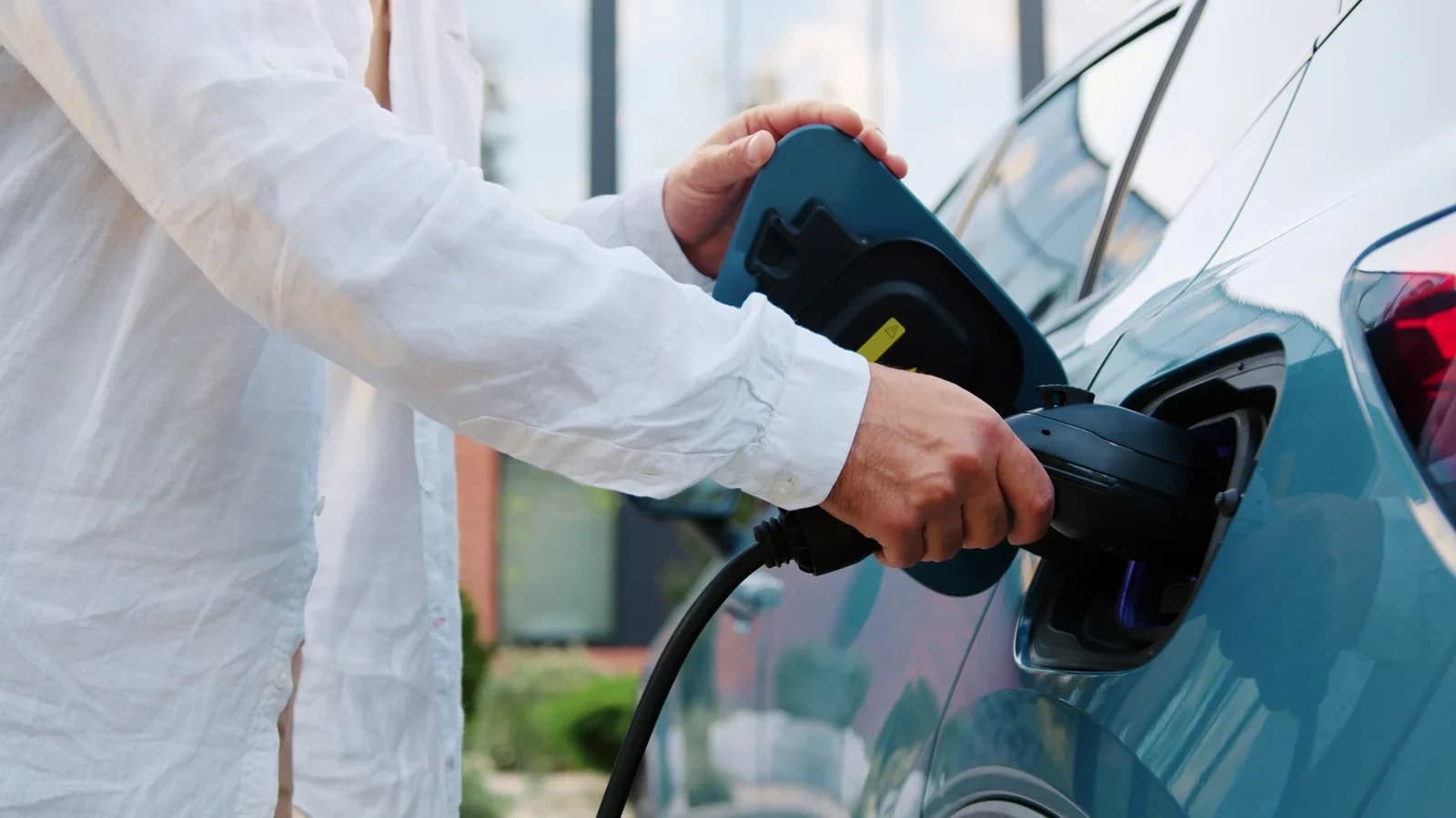
During charging, lithium ions move from the cathode to the anode and settle there. Fast chargers deliver between 50 and 350 kW and convert alternating current to direct current themselves before feeding it straight into the battery, which makes them much quicker than a standard outlet or home charger that relies on the car's onboard converter.
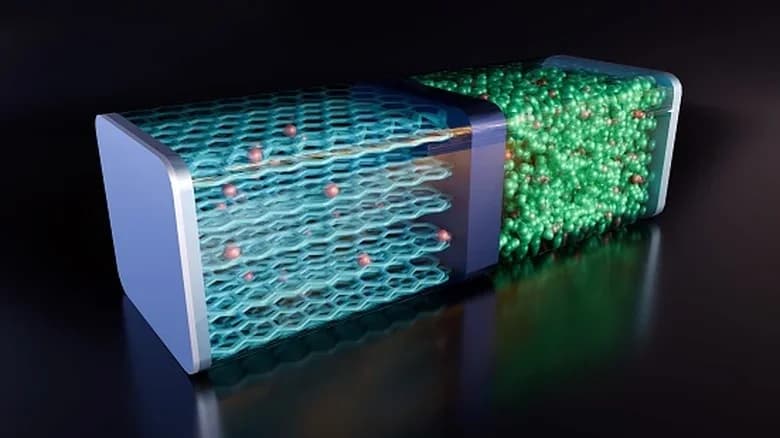
According to the outlet, as the mostly graphite anode fills up, ions find it harder to locate free space. Once the battery hits its voltage limit, the current is reduced. Forcing the charge to continue causes ions to form a layer of metallic lithium on the graphite surface, a process known as lithium plating that permanently reduces some capacity and can lead to short circuits.
To address the problem, BYD introduced its second-generation Blade Battery in March 2026. The company arranged graphite particles vertically and changed the electrolyte so ions travel a shorter path. BYD said that with its 1,500 kW Flash Charger, the battery charges from 10 to 70 percent in 5 minutes and reaches 97 percent in 9 minutes.
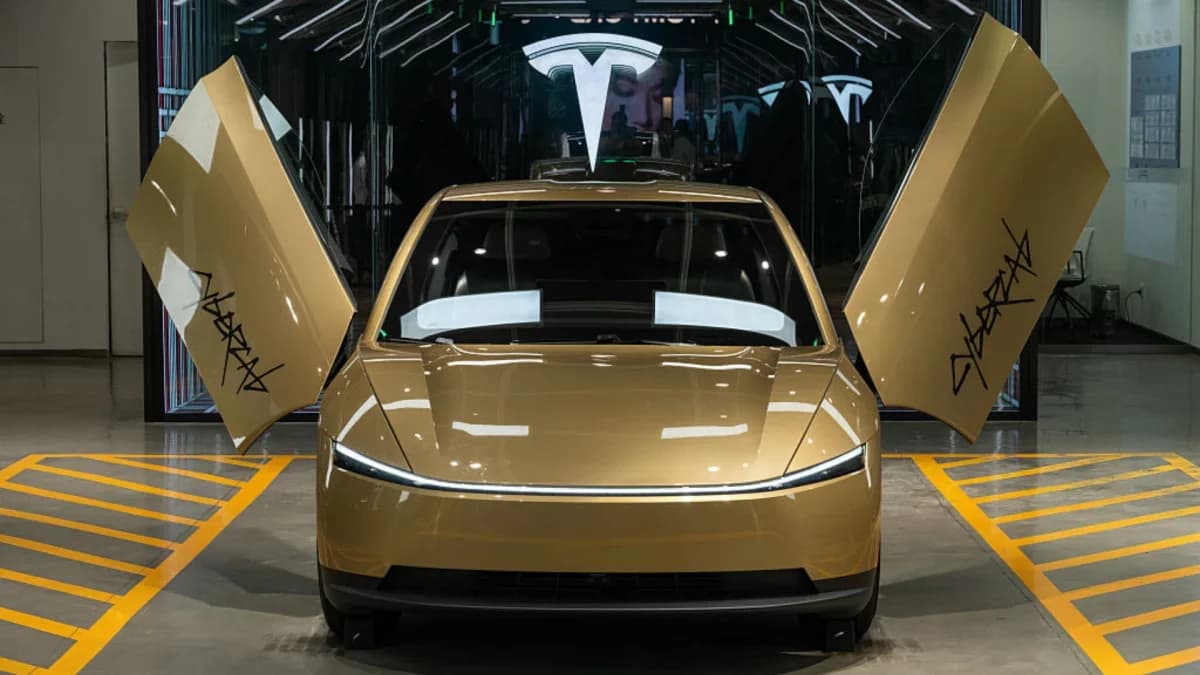
Charging has come a long way. The Tesla Model S, which went on sale in 2012, took more than 50 hours to fully charge from a regular household outlet, while Tesla says the newer version can add enough energy for 200 miles in 15 minutes at a Supercharger.
Source: Engadget
Next story